 By Editorial Team
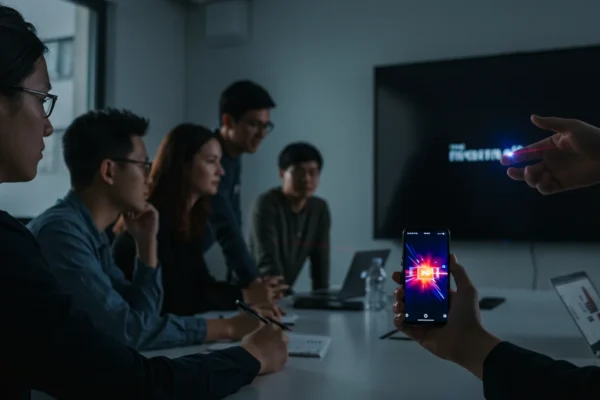
It’s 2026. Sarah, the marketing director at “GreenGro”, a hot organic meal kit service out of Portland, Oregon, was staring down her video ad metrics, and it wasn’t pretty. They had these gorgeous commercials, all sun-drenched farms and happy families, and they were getting plenty of views. The problem? Brand recall was in the toilet. People watched the ads but couldn’t remember who made them. In a packed direct-to-consumer market, Sarah knew that just getting seen was worthless. Being remembered is the only thing that matters. She needed something to make GreenGro stick, and she had a hunch the answer was in brand jingles, the kind of audio specifically made for their video ads. Could a few seconds of music really fix their entire marketing funnel?
Key Takeaways
- Go pro with your sound design and composition. An amateur jingle will actively hurt your brand’s perception.
- Your melody needs a unique signature. Make it simple, but make it distinct so it doesn’t get lost in the noise of competitors’ audio.
- Use the jingle everywhere, on every platform. That kind of consistency is how you build an audio brand people actually recognize.
- You have to test different jingle variations with your real audience. That’s the only way to find out which one actually sticks in their heads.
- The jingle has to feel like your brand. If its emotional tone is off, it muddies your identity instead of reinforcing it.
The Silent Struggle: The Limits of Visuals
Sarah’s first push for GreenGro was all about stunning visuals. Their YouTube and connected TV ads were stuffed with high-def shots of crisp produce, busy kitchens, and smiling customers. The logic seemed fine, since appealing content gets attention. But attention often fails to translate into recall or a sale. “We were getting clicks, sure,” Sarah said at a recent roundtable at the Portland Marketing Summit, “but the post-view surveys showed a significant drop-off when asked to identify the brand. It was like people saw the ad but had no idea who it was for.” This isn’t a new problem. A 2023 Nielsen report pointed out that while visuals are obviously important, audio elements, especially distinctive brand sounds, massively increase ad memorability and purchase intent. Sarah’s real challenge was forging a connection, not just getting another view.
GreenGro simply had no sonic branding. Their visuals were top-notch, but their audio was just generic background music you could swap with any other food delivery service. It’s a pitfall I see all the time. So many brands view audio as an afterthought, a box to check, not a primary branding tool. I mean, how many times have you heard a few notes of music and instantly pictured a brand, even without a logo in sight? That’s what effective sonic branding does, and it’s what GreenGro needed. Without it, their video ads were effectively muted when it came to building a real brand. I’ve seen this for 15 years in marketing: brands pour money into their visual identity and completely ignore the audio, even though sound hits us on a more primal level.
Enter the Melody Maker: Crafting GreenGro’s Sonic Identity
To fix the recall mess, Sarah started looking for agencies that specialized in sonic branding. She knew she couldn’t just grab a stock tune from some library. It had to be unique, memorable, and feel like GreenGro’s whole vibe of freshness and health. She ended up partnering with “AudioBrand Architects,” a boutique firm out of Seattle known for being obsessed with data. Their first move was a deep-dive workshop to pin down GreenGro’s sonic DNA. As Dr. Lena Hanson, their lead composer, put it, “we don’t just create catchy tunes, we translate brand values into auditory signals. For GreenGro, that meant natural, uplifting, and approachable.”
First, they tore down GreenGro’s existing visual brand, the deep greens, clean fonts, and family-focused photos, to find a musical equivalent. From there, they explored different genres and instruments that would evoke those same feelings, quickly landing on acoustic guitars and light percussion in a major key as strong possibilities. The target was a sonic logo, maybe 2-3 seconds long, that was instantly recognizable. They weren’t writing a whole song. They were forging a sonic calling card.
A critical part of the job was making sure the jingle was distinctive, not just pleasant. Dr. Hanson was adamant about avoiding musical clichés. “If it sounds like something else, it’s worthless,” she remarked. They burned through numerous versions, testing different tempos and hooks. For example, an early draft used a ukulele, which felt cheerful but way too generic (how many other ads use a ukulele?). They finally landed on a mix of a crisp acoustic guitar riff and a subtle, resonant chime, which felt both organic and modern. The whole thing was designed to fit right into their video ad flow, usually at the beginning and end.
Testing the Waters: Data-Driven Jingle Refinement
With a couple of solid jingle candidates ready, Sarah and AudioBrand moved to the testing phase. They ran A/B tests across GreenGro’s main video ad platforms, specifically using Google Ads’ Performance Max campaigns and Meta’s Advantage+ Shopping Campaigns. The visuals and copy were identical. Only the jingle changed. They tracked everything: ad recall, brand recognition surveys, and even conversion rates. You have to be data-driven here. Gut feelings get you started, but only the numbers tell you if it actually works.
One of the first jingles, “Harvest Hum,” was well-liked but only did a little better on recall than the generic music control. But another one, “GreenGro Groove,” was less of a crowd-pleaser but scored way higher on brand recognition. This showed something important: a jingle’s job is to be memorable and attributable to the brand, not to be a Top 40 hit. So the team took “GreenGro Groove” and refined it, simplifying the melody and bumping up the chime to make it even more distinct. “Sometimes less is more,” Dr. Hanson said. “A simpler melody, as long as it has a unique signature, is just easier for the brain to hang onto.”
The final jingle, now called “GreenGro’s Fresh Sound,” went into a blind test against their main competitor’s ads. According to post-campaign analytics from eMarketer, ads with “Fresh Sound” got a 35% bump in brand recall over their old ads and a 15% higher recall rate than the competitor’s. This was the proof Sarah needed. The investment was paying off, turning people who just saw the ad into people who remembered the brand. It just goes to show, even with something creative like music, you have to measure the impact with hard data.
The Echo Effect: Integrating Jingles Across the Brand Ecosystem
Once “GreenGro’s Fresh Sound” proved its worth, Sarah’s team rolled it out everywhere. It wasn’t just for video ads. It became the default sound for their app notifications, the hold music for customer service, and even played in promotional videos at partner stores in the Pacific Northwest like New Seasons Market. This constant, subtle repetition is how you get a sound to burrow into a customer’s brain, so they recognize it without even thinking.
For their video ads, GreenGro built a modular system. The full 5-second jingle played at the end of their longer, more informational videos. A short 2-second “sting”, just the most recognizable part of the melody, was perfect for quick bumper ads and pre-roll spots. This meant the brand’s sound was always there, no matter the ad format. They also trained their creative teams on how to mix the jingle properly with voiceovers so everything worked together. The key was ensuring the jingle complemented the primary message. This level of detail in the audio mix is so important for effectiveness. A bad mix, where the jingle is too loud or sounds tinny, just seems cheap and kills the professional feel of the ad.
Within six months of rolling out “GreenGro’s Fresh Sound,” the company reported a 20% increase in direct traffic to their website from non-search channels, a clear sign that brand recall was driving people straight to them. Their social engagement on platforms like Pinterest and Instagram also jumped, with people often leaving comments about the “catchy music.” Sarah’s dread from a few months back was gone. It turned out the jingle was a real business driver that boosted website traffic and, in the end, sales.
Conclusion
For any brand trying to get noticed in the crowded digital ad space, a distinctive jingle is a fundamental part of effective marketing. GreenGro’s journey shows a data-backed approach to sound can lift brand recall by over 30% which directly impacts customer engagement and conversion. The winning formula is a unique auditory signature, used consistently across all of a brand’s video touchpoints, turning a simple tune into more website visits and more sales.
What is a brand jingle in the context of video ads?
It’s a short, memorable piece of music, usually 2 to 15 seconds long, composed to identify and reinforce a brand in video content. The whole point is to make the brand stick in your head.
How does a brand jingle improve video ad effectiveness?
A good jingle boosts brand recall and recognition. It creates an emotional shortcut, making ads more memorable, which leads to better engagement and more sales, even if someone only hears the ad instead of watching it.
What are the key elements of a successful brand jingle?
The best ones are simple, catchy, and unique. They have to align with the brand’s personality and message, usually built around a distinctive melody that evokes the brand’s core values.
Should jingles be used consistently across all marketing channels?
Yes. Using a jingle consistently across all channels, from video ads to app sounds and hold music, is how you build a strong audio brand that people recognize automatically over time.
How can brands measure the effectiveness of their video ad jingle?
You can measure its impact by A/B testing different jingles, running post-exposure surveys to check brand recall, and tracking direct metrics like website traffic, engagement, and conversion rates from the ad campaigns that use it.