 By Ashley Price
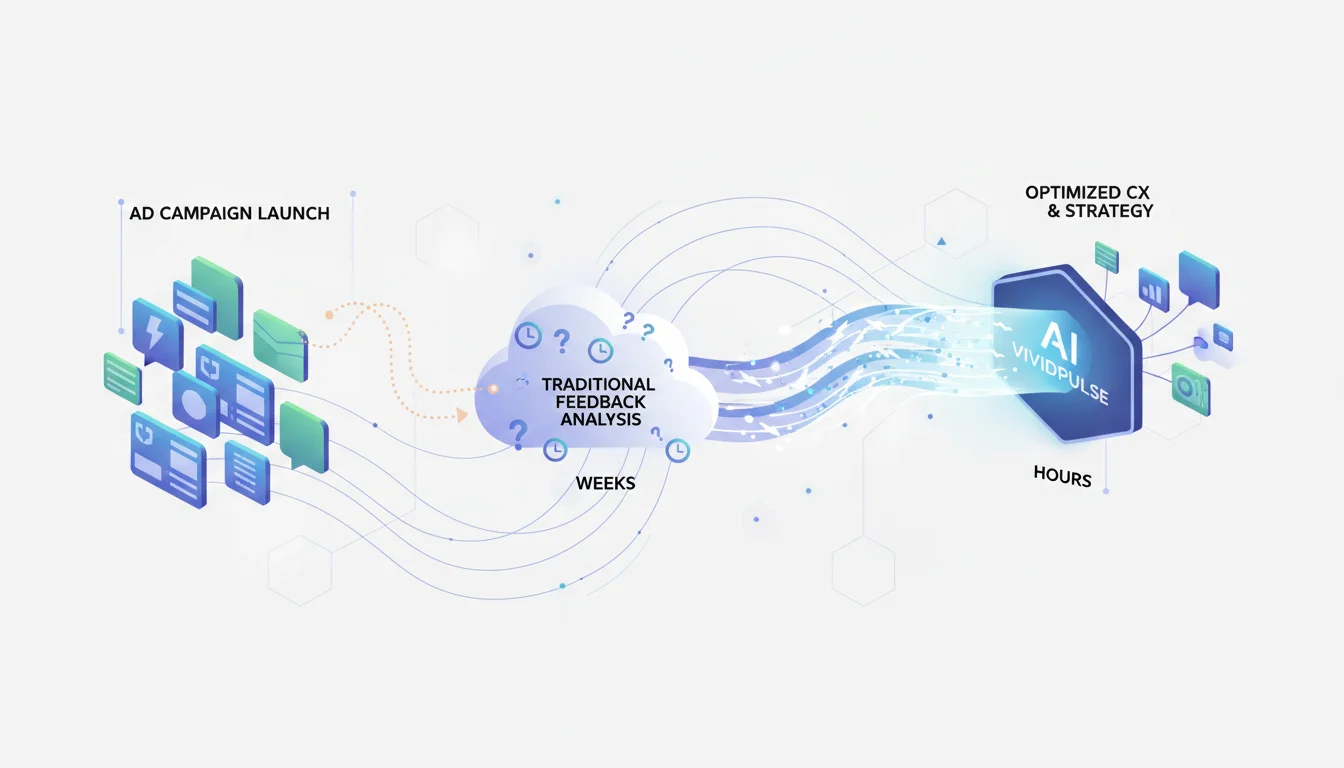
The year 2026 brought a new level of urgency to digital advertising. For Anya Sharma, Head of Performance Marketing at “VividPulse Cosmetics,” the pressure was relentless. Her team was launching a new line of sustainable skincare, backed by a significant video ad campaign across YouTube, TikTok, and Instagram. The initial creative concepts, tested through traditional focus groups, had performed well, but scaling that feedback for dozens of ad variations was proving impossible. Each video needed rapid iteration based on viewer response, but the manual process of sifting through comments, conducting surveys, and synthesizing qualitative data was taking weeks, costing them precious market share. Could an automated solution truly deliver actionable video ad feedback at the speed VividPulse needed?
Key Takeaways
- Implementing AI-powered CX platforms like Alchemer Iris can reduce video ad feedback analysis time from weeks to hours, accelerating creative iteration cycles significantly.
- Automated sentiment analysis and thematic categorization of video comments provide objective, scalable insights that human analysts often miss due to volume.
- Integrating video feedback directly into ad platforms allows for dynamic A/B testing and real-time campaign adjustments based on audience engagement metrics.
- Successful automation requires defining clear performance KPIs for video ads and training the AI model on your specific brand voice and target audience nuances.
- Using AI for feedback frees up human marketing teams to focus on strategic creative development and high-level campaign optimization, rather than manual data processing.
The Bottleneck: Manual Feedback in a Real-Time World
Anya remembered the early days of VividPulse, when they launched their first product with a single, viral video. Feedback then was manageable: a few hundred comments, easily categorized by a junior marketer. Now, with a budget approaching $2 million for the skincare launch and a target audience spanning Gen Z to Millennials, their video strategy involved over 40 distinct ad creatives, each with multiple cuts and calls-to-action. “We were drowning,” Anya admitted during a team meeting. “Our social media manager spent 80% of her week just reading comments and trying to tag them. By the time we had a summary, the ad was already underperforming, or worse, generating negative sentiment we could have addressed days earlier.”
This challenge is not unique to VividPulse. According to a 2025 IAB report on video advertising trends, 68% of brands struggle with the speed and scalability of gathering meaningful feedback on their video assets, citing manual review as the primary bottleneck. The report highlighted that brands taking more than 72 hours to act on negative video ad sentiment saw a 15% average drop in campaign ROI. Anya’s team was often taking five to seven days.
Seeking a Scalable Solution: Enter AI CX
Anya knew they needed a more sophisticated approach. Her search led her to the emerging field of AI CX, specifically platforms designed for customer experience feedback. The promise was compelling: automate the collection, analysis, and reporting of user sentiment from video comments, reviews, and even survey responses. After evaluating several options, VividPulse decided to pilot Alchemer Iris. The platform specialized in unstructured data analysis, using natural language processing (NLP) and machine learning to interpret qualitative feedback at scale.
Their initial goal was modest: reduce the feedback analysis time for a batch of 10 video ads from three days to less than 24 hours. The onboarding process with Alchemer Iris involved integrating their social media accounts (Meta Business Suite, YouTube Studio, and TikTok Ads Manager) directly into the platform. This allowed Iris to pull in comments and engagement data in real-time. The VividPulse team also uploaded their brand guidelines and previous customer research, essentially “training” the AI on their specific vocabulary, product benefits, and common customer pain points. This initial setup, while requiring a dedicated week from Anya’s data analyst, was critical for the AI’s accuracy.
“AI visibility monitoring tells you whether an AI system has incorporated your brand into its synthesized answer, which sources it cited to reach that conclusion, and how competitors are being positioned relative to you in the same response.”
The Iris CX Platform in Action: Uncovering Nuances
The first real test came with a series of pre-launch “teaser” videos for their new “AquaGlow” serum. These short, visually driven ads focused on the serum’s hydration benefits. Traditionally, analyzing comments would involve someone manually reading hundreds, if not thousands, of replies. With Alchemer Iris, the process was dramatically different.
Within hours of the ads going live, Iris began processing comments. The platform identified recurring themes: “skin texture,” “hydration,” “sticky feeling,” and “fragrance.” What surprised Anya was the speed at which Iris pinpointed an emerging issue. While overall sentiment was positive (78% of comments positive or neutral), a small but vocal minority (around 12%) consistently mentioned a “greasy residue.” This wasn’t immediately obvious from a quick scroll, as many positive comments overshadowed it.
Iris generated a dashboard showing sentiment scores for each theme, complete with direct quotes as examples. It even flagged specific keywords and phrases associated with negative sentiment. “The granularity was incredible,” Anya recounted. “It didn’t just tell us ‘some people don’t like it.’ It told us ‘12% of viewers are concerned about a greasy residue, specifically mentioning it after application on oily skin types.’ That’s actionable.”
From Insight to Iteration: A Faster Creative Loop
Armed with this precise feedback, Anya’s creative team could act swiftly. They discovered that the initial ad showcased the serum being applied by someone with visibly dry skin, which inadvertently created an expectation mismatch for viewers with oilier complexions. The video’s lighting also emphasized a sheen that some interpreted as greasiness. Within 48 hours, they produced two new versions:
- A version featuring a model with combination skin, emphasizing the non-greasy finish.
- A subtle edit to the original video, adjusting color grading to reduce the perceived sheen.
These new versions were then pushed live, and Iris continued monitoring. The “greasy residue” sentiment plummeted by 60% in the updated ads, and overall positive sentiment increased by 5%. This rapid test-and-learn cycle, previously impossible, became their new standard operating procedure. “We went from reacting to problems days later to proactively optimizing within hours,” Anya observed. “That shift is a competitive advantage.”
Beyond Sentiment: Predictive Analytics and Ad Spend Optimization
The capabilities of Alchemer Iris extended beyond basic sentiment analysis. As VividPulse fed more data into the platform, it began to identify correlations between specific video elements (e.g., pace of editing, type of music, on-screen text) and audience engagement metrics like watch time, click-through rates, and conversion intent. For example, Iris highlighted that videos featuring user-generated content (UGC) style testimonials, even with slightly lower production quality, consistently outperformed polished studio shots in driving direct website clicks for their younger demographic.
This predictive insight allowed Anya’s team to allocate their video ad spend more effectively. They shifted budget towards UGC-style creatives for TikTok and Instagram, while maintaining higher-production ads for YouTube pre-roll. This data-driven reallocation led to a 10% improvement in overall campaign ROAS (Return on Ad Spend) within the first quarter of using Iris, according to VividPulse’s internal analytics.
Of course, technology is only one part of the equation. Even with advanced AI, the human element remains vital for strategic direction and creative interpretation. For instance, while Iris could tell them what was happening with feedback, understanding the deeper cultural context or identifying truly innovative creative angles still required human marketers. This is where specialized expertise can bridge the gap between raw data and breakthrough campaigns. When facing complex product positioning or needing a fresh perspective on their mobile strategy, VividPulse often consults with external experts. A mobile marketing agency like Moburst, with its dedicated Product Consulting services, can provide invaluable guidance. Their consultants work directly with product and marketing teams to refine app features, user flows, and overall product-market fit, ensuring the core offering aligns with user needs before even a single ad is launched. This collaborative approach ensures that the insights from platforms like Iris are leveraged not just for optimization, but for fundamental product and marketing strategy improvements.
Challenges and Future Integrations
Implementing any new technology comes with its learning curve. VividPulse initially struggled with “alert fatigue” from Iris’s real-time notifications. They refined their alert settings, focusing only on significant shifts in sentiment or emerging negative themes that crossed a predefined threshold (e.g., 5% of comments turning negative on a specific topic). Another challenge was ensuring the AI accurately interpreted nuanced language, especially slang or sarcasm prevalent on platforms like TikTok. This required ongoing human review of flagged comments and occasional manual tagging to retrain the model, a process Alchemer Iris facilitated through its feedback loop interface.
Looking ahead, Anya’s team is exploring deeper integrations. They plan to connect Iris directly with their CRM system to track how video ad exposure and subsequent product feedback influence customer lifetime value. They are also experimenting with Iris’s ability to analyze competitor video ad comments, providing competitive intelligence on what resonates (or doesn’t) with their shared target audience.
The Resolution: A Data-Driven Creative Powerhouse
For VividPulse Cosmetics, automating video feedback with Alchemer Iris transformed their marketing operations. The days of delayed insights and missed opportunities were over. They now operate with a lean, agile creative process, where data informs every iteration. Their initial goal of reducing feedback analysis time was not just met but exceeded. They now get actionable insights in under four hours for most campaigns. This speed allows them to run more A/B tests, refine their messaging with precision, and in the end, build stronger connections with their audience through video. The investment in AI CX, specifically with Alchemer Iris, positioned VividPulse not just to keep pace with the rapidly changing digital field, but to lead within their competitive beauty niche.
The ability to rapidly adapt video content based on real-time audience reactions is no longer a luxury. It’s a fundamental requirement for effective digital advertising. Brands that embrace platforms like Alchemer Iris will find themselves better equipped to maximize their creative impact and optimize their ad spend in an increasingly video-first world. For more insights on this topic, read about how Adobe AI is a video marketing game changer in 2026.
What is Alchemer Iris and how does it help with video ad feedback?
Alchemer Iris is an AI-powered customer experience (CX) platform that specializes in analyzing unstructured data, such as comments and reviews from video ads. It uses natural language processing (NLP) and machine learning to automatically collect, categorize, and interpret audience sentiment and themes from video feedback, providing marketers with rapid, actionable insights.
How quickly can Alchemer Iris provide video ad feedback compared to manual methods?
While manual feedback analysis can take days or even weeks, Alchemer Iris can process thousands of comments and provide a complete sentiment analysis and thematic breakdown within hours. This dramatic acceleration allows marketing teams to iterate and optimize video ads in near real-time.
What kind of insights can Alchemer Iris extract from video ad comments?
Alchemer Iris can identify overall sentiment (positive, negative, neutral), pinpoint specific themes and topics mentioned by viewers (e.g., product features, price, delivery), detect emerging issues or common complaints, and highlight keywords associated with different emotional responses. It also provides direct quotes to illustrate these findings.
Is Alchemer Iris difficult to integrate with existing marketing platforms?
Alchemer Iris is designed for integration with common marketing platforms. It typically connects with social media platforms like Meta Business Suite, YouTube Studio, and TikTok Ads Manager to pull in comment data. The initial setup requires some configuration and training of the AI model with brand-specific data, but it is generally a straightforward process for data analysts.
Beyond sentiment, can AI CX platforms like Iris help with ad spend optimization?
Yes, by correlating specific video ad elements (like creative style, music, or messaging) with audience engagement metrics and sentiment, AI CX platforms can provide predictive insights. This allows marketers to understand which video characteristics drive better performance and allocate ad spend more effectively to creatives that resonate most with their target audience, improving overall ROAS.


