 By Editorial Team
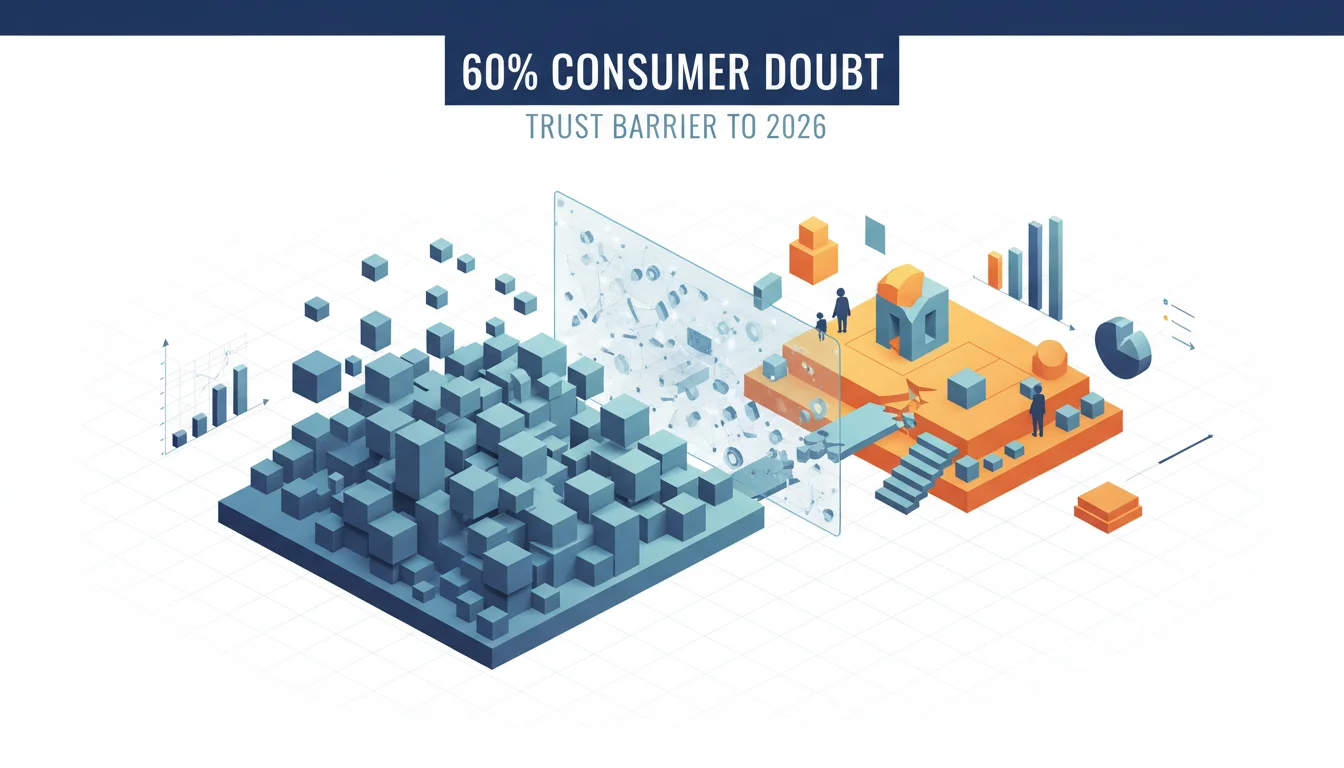
An Edelman Trust Barometer study just put a number on our biggest problem: 60% of consumers globally now find it harder to distinguish between real and fake content online, a direct result of how fast synthetic media is advancing. This collapse in trust is a direct threat to any marketer trying to create video ads that actually work. So how do you build a genuine connection when the authenticity of everything people see is constantly being questioned?
Key Takeaways
- Use authenticated user-generated content (UGC) with a clear origin story to fight deepfake skepticism. It gives you a big lift in ad recall.
- Be transparent about any AI elements in your video ads. A full 70% of consumers want to know when AI is used, so have a clear disclosure policy.
- Put money into verification tools that use blockchain or digital watermarking to create an auditable history for your video assets.
- Go for authentic stories and emotional connection over hyper-polished, artificial-looking visuals that can actually hurt viewer engagement.
- Get your marketing and creative people up to speed on new deepfake detection tech and the guidelines for creating AI content responsibly.
60% of Consumers Struggle to Distinguish Real from Fake Content
That 60% figure from the 2026 Edelman Trust Barometer is a five-alarm fire for anyone in video advertising. Because of the flood of deepfakes and other AI media, the default assumption that what you see is real is completely gone. When a viewer sees a video ad today, a new subconscious filter kicks in: “Is this real?” This creates a generalized unease that stops messages from landing with any real impact. Brands can’t just expect visuals alone to signal truth anymore. Our job as marketers is now about actively proving our visuals are real, not just making them compelling. We have to look past slick production values and zero in on what signals a genuine experience. For example, an ad with a flawless-looking spokesperson might actually create more skepticism than a rougher video showing real customers using a product. The very slickness of AI-generated content can work against it. We should actually embrace the little imperfections that scream ‘a real human made this’.
User-Generated Content Sees a 28% Higher Engagement Rate
As deepfakes kill trust in professionally produced content, authenticated user-generated content (UGC) is making a huge comeback. A recent Nielsen report on digital ad trends showed that campaigns with UGC got 28% higher engagement on average than campaigns that only used brand-made videos. It makes perfect sense. When synthetic media makes everything blurry, genuine testimonials and organic videos of people using your product cut through the noise. But the content has to be “authenticated.” You can’t just scrape a video off social media. Brands have to establish the UGC’s provenance, which means getting clear permissions and talking directly to creators, maybe even doing simple verifications like checking their social profiles or asking for the raw source files. Tools like TINT or Stackla give you platforms to manage and verify this stuff, adding a necessary layer of credibility. I’ve seen firsthand how a raw, enthusiastic customer review video (even with bad lighting) can crush a high-budget commercial because it just feels real. It completely bypasses that skepticism filter.
Only 30% of Consumers Trust Influencers Using AI-Generated Content Without Disclosure
Influencer marketing is changing fast, and deepfakes are a major new complication for the relationships between brands, influencers, and their audiences. A 2025 HubSpot survey on how consumers see AI in marketing found that only 30% of people would trust an influencer if they found out AI-generated content was used in a sponsored post without being told. That number drops off a cliff if the AI is used in a way that feels deceptive. People might think AI helps influencers make more content, but this data shows the massive reputation risk. Brands have to set clear rules with their influencer partners about using AI. This covers everything from AI voiceovers and visual touch-ups to fully synthetic avatars. Honesty is everything here. A simple disclosure, like a quick on-screen text overlay saying “AI-assisted content” or even a verbal mention from the influencer, can head off most of that distrust. It shows you respect the audience. If you don’t, you risk torching the influencer’s credibility and the brand’s right along with it. For more on the ethical side of this, you should read up on the latest influencer disclosure rules for video ads.
Blockchain-Based Content Verification Projects Grew by 150% in 2025
The industry is finally building tech to fight the trust crisis. An eMarketer market analysis found that projects using blockchain-based content verification and digital watermarking jumped by 150% in investment and adoption in 2025. It shows a serious push to make content origins auditable. Platforms like Truepic and tools built on the C2PA (Coalition for Content Provenance and Authenticity) standard are really starting to catch on. This tech embeds verifiable metadata right into the video file, creating a secure, unchangeable record of its origin and any edits. For advertisers, this means you could soon present a digital ‘certificate of authenticity’ with your campaigns. Imagine a future where every ad has a small, clickable icon verifying its source. This is quickly becoming a practical tool, not a sci-fi concept. It’s not on every ad platform yet, but the smart brands are already testing these verification methods to build a real foundation of trust. Taking this step now shows you’re a brand that actually invests in being transparent, and that sets you apart.
My Disagreement: The Myth of Perfect Production as a Trust Signal
I completely disagree with an old advertising belief: that high production value builds trust. For years, agencies have been chasing a cinematic look, thinking a perfectly lit, beautifully edited video automatically makes a brand seem professional and reliable. In the deepfake era, that assumption is actually counterproductive. AI can now spit out hyper-realistic, visually perfect content pretty easily. The result is that perfection now looks suspicious. Think about it: when you see something that looks too good to be true, what’s your first instinct? You question it. This is especially true for video ads. The human brain is really good at picking up on tiny inconsistencies or that “uncanny valley” feeling, even if we can’t say exactly what’s wrong. Instead of chasing some impossible standard of visual perfection, marketers need to get obsessed with authenticity, relatability, and real emotion. This could mean using footage that’s a bit less polished, featuring real employees, or even showing ‘behind-the-scenes’ clips that reveal the human work involved. The goal is to show a genuine experience and build a connection, so forget about just showing off visual grandeur. A slightly shaky, but obviously authentic, video of a product getting used in the real world will build more trust than some hyper-stylized studio shot that could’ve been made by an AI in ten minutes. Our focus needs to shift from “flawless” to “trustworthy.” This kind of thinking is key for making video ads that drive more clicks because they connect with real-world problems.
To build trust in video advertising with deepfakes everywhere, we have to change our entire strategy. We have to move on from aesthetic perfection and focus on provable authenticity and clear communication. Brands need to actively prove their content is real using authenticated UGC, clear AI disclosures, and new verification tech. The bottom line for marketers is this: put transparency and verifiable authenticity first in every AI video ad campaign.
What are deepfakes and why are they a concern for video advertising?
Deepfakes are fake videos or audio recordings made or changed by artificial intelligence. They’re a huge problem for advertisers because they destroy consumer trust. People start to doubt if any video is real, which makes it harder for brand messages to land and can seriously damage a brand’s reputation if its ads are mistaken for fakes.
How can brands verify the authenticity of video content in their ads?
You can verify content a few ways: use authenticated user-generated content platforms, be upfront about any AI you use with clear disclosure policies, and start adopting tech like blockchain-based provenance tools or digital watermarking. These tools embed a verifiable history into the video file itself, giving you an auditable record of where it came from and how it was edited.
Should I avoid using AI in my video ads entirely to build trust?
No, you don’t have to avoid AI completely. The real problem is secrecy, not the AI itself. If you’re using AI to work more efficiently or be more creative, just tell people. A small on-screen note like “AI-assisted content” or a quick mention can keep viewers informed and maintain trust. The point is to be honest about how your ads get made.
What role does user-generated content (UGC) play in building trust in video ads?
UGC is huge for building trust. It offers authentic, real-world proof from actual customers, and that cuts through the skepticism people have for slick, professional content. In an age where everything can look fake, UGC feels genuine. Just make sure the content is properly authenticated and you have permission to use it, otherwise you’ll undermine its credibility.
What specific tools or standards are emerging for content verification?
You should look at platforms like Truepic which captures and verifies images and videos at the source. Also, keep an eye on the C2PA (Coalition for Content Provenance and Authenticity) standard. C2PA is working to create a technical standard that lets anyone trace the origin and history of media through metadata embedded in the file which is a direct way to fight misinformation and deepfakes.


