 By Editorial Team
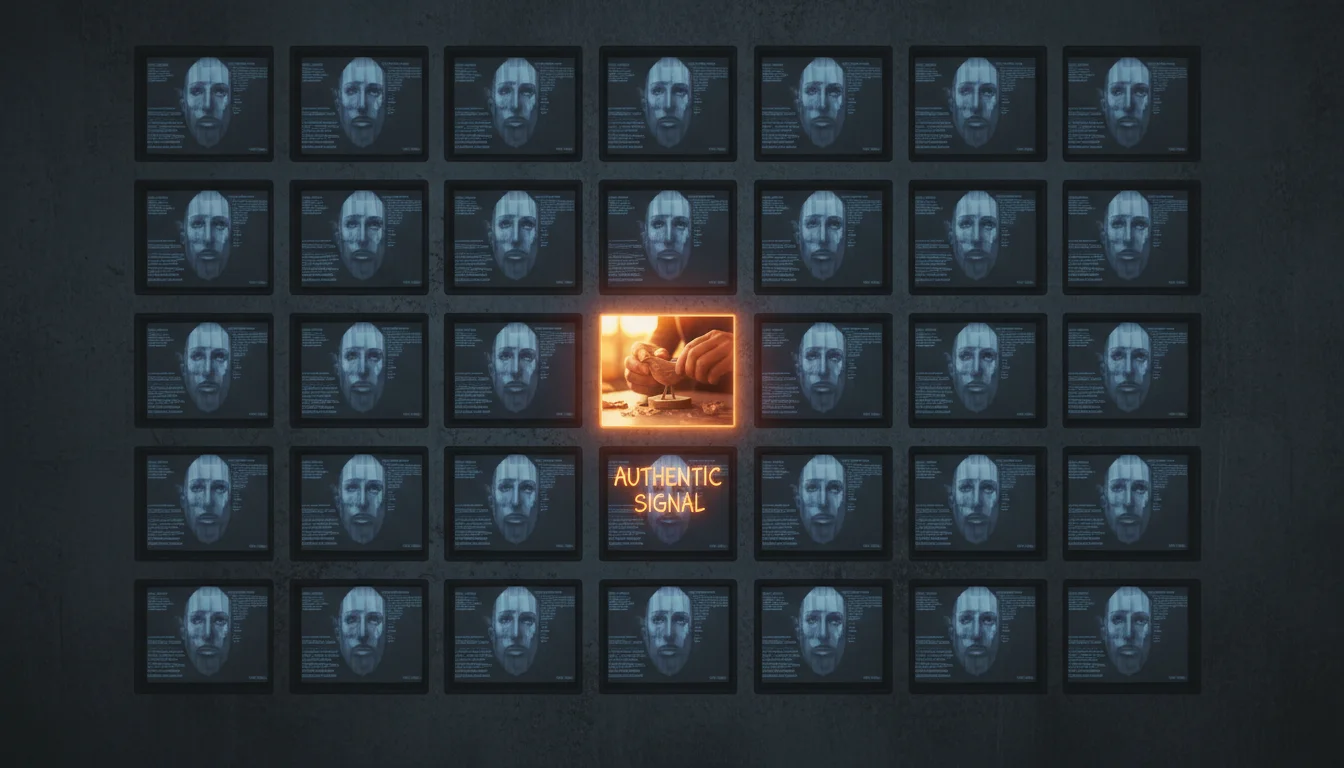
It’s 2026, and if you want to win, you need great brand storytelling and sharp video content. That’s the table stakes, especially now that the AI era is messing with every creative process we have. Your brand needs real stories that actually connect with people and cut through the junk the algorithms are serving up, building connections that last. The big question is, how do you stay authentic when AI is everywhere in your content workflow?
Key Takeaways
- Make your videos about people, your customers, your team, and their experiences. Focus on your company’s values instead of just listing product specs.
- Use AI tools to make video production more efficient (like for script ideas or rough cuts), but a human must have the final say on all creative to keep it authentic.
- Create a clear brand voice and visual style guide for your video work. This gives AI a good baseline to learn from, keeping things consistent without sounding robotic.
- Actually measure if your stories are working. Look at metrics like watch time, the sentiment of comments, and how often people share your videos.
- Be transparent about how you use AI. If it’s a significant part of your process, consider disclosing it. In a skeptical market, this builds trust.
The Imperative of Authentic Video Storytelling
The digital world is just plain crowded. People are tired of generic marketing and are desperate for a real connection with the brands they buy from. Slick, high-production videos don’t hit the same way if the message feels empty. That’s especially true now that audiences can smell algorithmically generated content a mile away. Getting your brand storytelling right with video content isn’t just a nice-to-have anymore. It’s a core strategic requirement.
Just look at the numbers. A NielsenIQ report from last year showed that 68% of people were more likely to buy from brands they felt were transparent and honest. You don’t build that perception with slick ads. You build it by telling stories that show your company’s purpose, its screw-ups, and its real values. Video is an incredible tool for this because it hits you with emotion, tone, and visuals all at once, showing your story instead of just telling it and creating a much stickier experience for anyone watching.
Working through the AI Era: Opportunities and Challenges
There’s no denying that sophisticated AI has completely changed the content creation game. We’ve got automated script writing, AI-powered editors, and even full-on synthetic media, creating a world of possibilities. This is a huge opportunity for efficiency, but it’s also a major challenge to authenticity. On the one hand, AI makes video production accessible, letting small teams or solo operators create high-quality content that used to cost a fortune. Think about an AI assistant that can draft five script versions in your brand’s voice overnight, or a tool that automatically edits your video ad for ten different audience segments. This stuff isn’t science fiction, it’s just Tuesday in 2026.
But here’s the risk: relying too much on AI can lead to bland, generic stories. When you train an algorithm on a mountain of existing content, it gets really good at finding the average, which can strip out the unique voice and emotion that makes a story connect. So the real job for marketers is figuring out how to use AI for massive scale without making the final product feel like it was made by a robot. You have to know what AI is good for (like repetitive edits, data analysis, or a first-draft script) and where you absolutely need a person (like big picture concepts, emotional nuance, and ethical calls).
Crafting Human-Centric Video Narratives
In this AI era, doubling down on human stories is the only winning move. Your brand storytelling needs to be about actual people: your customers, your employees, the community you operate in. Instead of a video that just walks through your product’s features, make a series profiling a small business owner who used your software to solve a real, painful problem. That kind of story grounds your brand in reality and makes it feel trustworthy.
You have to think with empathy. Do your videos connect with your audience’s actual problems and dreams? That means digging deeper than just demographic data into what they actually care about. A good video story taps into those universal feelings, building a bond that purely algorithmic content just can’t manage. An eMarketer report pointed out that people are looking for content that teaches, inspires, or just entertains them, not just another sales pitch. This shift proves you need real narrative depth.
Here’s a powerful tactic: put your own team on camera. Get real testimonials from employees talking about why they’re passionate about their work. These are not actors. They are your actual people with their own stories, and that brings a level of transparency and warmth that an AI-generated avatar will never have. People connect with other people, and video is the best way to make that happen at scale.
Integrating AI Thoughtfully: The Human-AI Collaboration
The smart play for brand storytelling with video in the AI era is to treat AI as a collaborator, not a replacement for your creative team. Think of AI as a powerful assistant for the storyteller. It can chew through mountains of data to spot emerging video trends or identify which narrative angles are clicking with your target audience. That kind of data can sharpen your creative instincts, making sure your team is spending their time on the stories that will have the biggest impact.
And of course, AI can massively speed up production. Tools like Synthesys AI Studio can spit out initial concepts, generate decent voiceovers from a script, or even create synthetic b-roll from a text prompt. This frees up your human creatives to do the work that matters: polishing the story, adding emotional weight, and making sure it all feels true to the brand. You offload the grunt work to the machine. But things like final editorial judgment, signing off on the tone, and protecting the weird little quirks that make up your brand’s voice, that all has to stay with a person.
Think about post-production, too. AI can handle the tedious jobs of color correction, audio mastering, and resizing videos for five different social platforms. That’s a huge time-saver. That time and budget can then go back into crafting a better story or getting it in front of more people. The objective is a workflow where AI makes your team better and faster, without sacrificing the human heart of the story.
Measuring Impact and Maintaining Trust
To see if your video stories are actually working in the AI era, you need to look beyond vanity metrics. Clicks and views are fine, but you need to focus on what indicates a real connection. How long are people watching? What are they saying in the comments? Are they sharing it with a personal note? AI-powered sentiment analysis can even give you a high-level view of the emotional reaction to your work, which is incredibly useful.
Transparency is also critical for keeping your audience’s trust. As AI gets better, people are going to get more suspicious about what’s real and what’s not. Brands that are just open about how they use AI, maybe with a simple disclaimer or a behind-the-scenes video, will earn a lot of respect. This doesn’t mean you need to post your code. It just means acknowledging that you’re using these tools as part of a collaborative process. According to a 2025 IAB report, 72% of consumers said knowing a brand was transparent about AI would make them more likely to buy. Being open about it is a clear competitive advantage.
In the end, the reason brand storytelling with video content works is because it creates an emotional bond. AI gives us incredible tools for efficiency, but the core of a great story is, and always will be, human. By using AI smartly, committing to authentic stories, and being transparent, brands can build the kind of deep connections that survive long after the AI era hype dies down.
How can AI assist in developing video content without losing brand authenticity?
Use AI for the heavy lifting, data analysis to find what your audience cares about, initial script drafts, and automating tedious edits. This frees up your team to focus on the story, inject nuance, and ensure the final product has a human touch and aligns with your brand’s voice.
What specific metrics should brands monitor to assess the authenticity of their video storytelling?
Go beyond view counts. Track audience watch time (are they sticking around?), analyze the sentiment in the comments (how does it make them feel?), and look at share rates and the context of those shares. These show genuine connection, not just a passing glance.
Is it necessary to disclose when AI has been used in video content creation?
While you might not be legally required to, being transparent about your AI use is a smart move. Audiences are getting savvier and more skeptical. Honesty builds trust, which is a valuable currency for any brand.
How can small businesses use AI for video storytelling with limited resources?
AI is a huge advantage for smaller players. Use affordable tools to automate video editing, generate background music you don’t have to pay royalties for, or create clean text-to-speech voiceovers. This allows you to produce professional-looking video content without a big team or budget.
What is the long-term impact of AI on the role of human storytellers in video marketing?
AI will change the job, not eliminate it. Human storytellers will move away from manual, repetitive production tasks and more toward strategy and big-picture creativity. Their role will be about generating the core ideas, ensuring emotional resonance, and providing the final ethical and creative sign-off.


