 By David Clarke
Recent data indicates that consumers are 27 times more likely to click on a video ad than a static banner ad, underscoring the undeniable power of moving images in digital marketing. For brands seeking to capitalize on this engagement, the temptation to incorporate archival footage is strong, offering a unique blend of authenticity and historical context. However, the ethical use of such material in video ads is complex, extending far beyond simple copyright clearance. How do advertisers ensure their use of historical content is not only legal but also responsible and respectful?
Key Takeaways
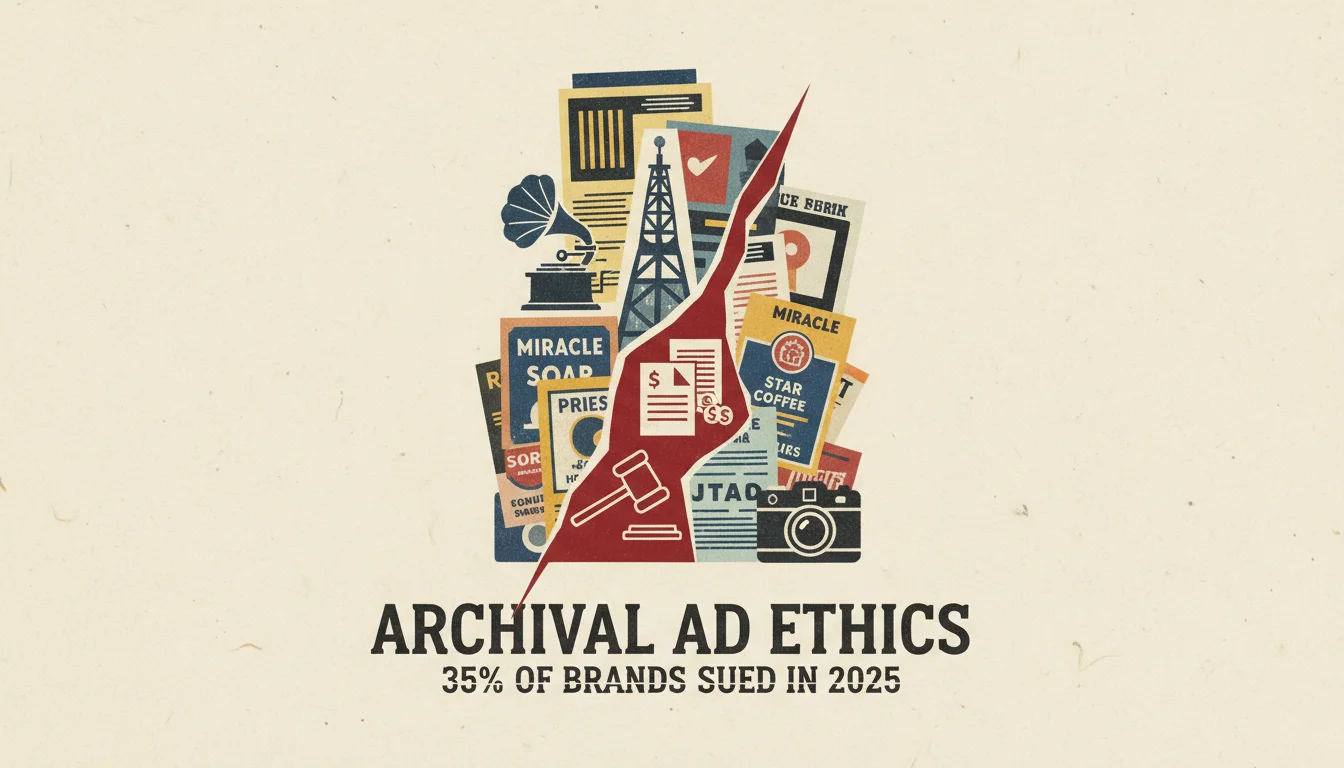
- Verify all licensing and usage rights for archival footage, as 35% of brands faced legal challenges in 2025 due to improper asset clearance.
- Implement an internal review process that includes historical consultants to assess contextual accuracy and avoid misrepresentation, a step ignored by 40% of agencies in a recent survey.
- Prioritize transparency by disclosing the origin or manipulation of archival elements, especially given that 62% of consumers distrust ads that appear to alter historical records.
- Ensure the narrative built around archival footage aligns with contemporary ethical standards, considering that one in three consumers boycotts brands perceived as insensitive.
35% of Brands Faced Legal Challenges in 2025 Over Improper Asset Clearance
The allure of readily available historical footage can lead marketing teams down a precarious path if due diligence is overlooked. A 2025 report from the Interactive Advertising Bureau (IAB) highlighted a significant increase in legal disputes surrounding the use of archival content, with over a third of surveyed brands encountering lawsuits or cease-and-desist orders. These challenges frequently stem from insufficient rights management, where marketers assume public domain status or broad usage licenses without granular verification.
This isn’t merely about avoiding fines. It’s about safeguarding brand reputation. A legal battle, regardless of its outcome, generates negative publicity and distracts from core business objectives. My professional experience suggests that the initial cost of thorough rights acquisition, often involving specialized agencies like Getty Images or AP Archive, is always dwarfed by the potential damage from a legal misstep. This includes not only direct financial penalties but also the intangible cost of consumer trust erosion. Marketers need to understand that “found” footage is rarely truly free. Every clip has a provenance, a rights holder, and specific usage parameters that must be respected.
40% of Agencies Neglected Historical Context Review in a Recent Survey
Beyond legalities, the ethical dimension of archival footage use often hinges on context. A recent survey by eMarketer revealed that a striking 40% of advertising agencies admitted to not conducting a formal review of historical context for archival clips used in their campaigns. This oversight is a critical vulnerability. Footage, especially from decades past, carries embedded cultural, social, and political nuances that can be easily misinterpreted or, worse, weaponized when removed from its original setting.
Consider a clip depicting a particular social movement. Used to promote a modern product, it might inadvertently trivialize the struggles of those involved or align the brand with ideologies it doesn’t genuinely support. This is where professional interpretation becomes non-negotiable. I advocate for involving historians or cultural consultants in the creative review process. Their expertise can flag potential misrepresentations, ensuring the chosen visuals resonate appropriately with contemporary audiences. Without this step, brands risk historical revisionism, however unintentional, and that’s a tough narrative to unwind once it’s out there.
The digital age has amplified consumer scrutiny, particularly regarding authenticity. According to Nielsen data from late 2025, 62% of consumers expressed significant distrust in video ads where historical footage appeared to be manipulated or taken out of its original context. This figure is a stark warning. While creative editing is a foundation of video production, outright alteration or misleading juxtaposition of archival material can severely backfire.
Consumers are increasingly adept at spotting artificiality. Deepfake technology, while not always applied to archival footage, has heightened general awareness of digital manipulation. Brands must prioritize transparency. If a clip has been colorized, stabilized, or had audio added, a subtle disclosure can build trust rather than erode it. The goal is to integrate history respectfully, not to fabricate a version of it that suits a marketing narrative. My view is that the “cool factor” of a heavily altered historical clip is never worth the credibility hit when audiences discover the manipulation.
One in Three Consumers Boycotts Brands Perceived as Insensitive
The ultimate ethical test for archival footage in advertising lies in its potential to cause offense or demonstrate insensitivity. A HubSpot Research study from early 2026 revealed that one in three consumers had boycotted a brand due to perceived insensitivity in its marketing or advertising. This isn’t a niche concern. It’s a mainstream consumer behavior with real financial consequences. Archival footage, by its nature, often depicts past social norms, events, or representations that may be considered offensive today.
Using footage from a bygone era without careful consideration of its historical baggage is a significant risk. For instance, a seemingly innocuous clip from the 1950s might contain subtle gender stereotypes or racial representations that, while common then, are unacceptable now. Marketers must ask: does this footage align with our brand’s current values? Does it exclude or inadvertently mock any demographic? This requires a proactive, inclusive review process. It’s not about erasing history, but about ensuring its presentation in advertising reflects current ethical standards and avoids alienating segments of the target audience.
Challenging the “Any Exposure is Good Exposure” Mentality
Conventional wisdom in some marketing circles still clings to the notion that “any exposure is good exposure,” even if it courts controversy. This perspective, particularly when applied to archival footage, is deeply flawed. While a controversial ad might generate initial buzz, the data on consumer boycotts and brand distrust clearly demonstrates that negative exposure carries substantial long-term costs. The fleeting attention gained from a provocative, ethically dubious campaign often comes at the expense of sustained brand loyalty and a positive public image.
I’ve seen campaigns that aimed for edgy and landed squarely in offensive territory. The ensuing public relations nightmare and the scramble to issue apologies rarely justify the initial creative gamble. With archival content, the stakes are even higher because the controversy often isn’t about the product itself, but about the brand’s perceived values and historical awareness. Smart marketers understand that building a resilient brand requires consistent ethical behavior, not just viral moments. The goal is positive video ad engagement, not just any engagement.
The ethical use of archival footage in video ads is a tightrope walk, demanding careful attention to legal rights, historical context, and contemporary societal sensitivities. Brands that navigate this responsibly stand to gain immense credibility and consumer trust. For more on ensuring your campaigns meet current standards, consider insights on brand safety in the age of AI.
What are the primary legal considerations when using archival footage?
The main legal considerations involve verifying copyright ownership, securing appropriate licenses for commercial use, and understanding any restrictions on modification or distribution. This often requires direct negotiation with rights holders or specialized licensing agencies.
How can brands ensure historical accuracy and avoid misrepresentation?
Brands should engage historical consultants or subject matter experts to review footage for contextual accuracy, identify potential biases, and ensure the narrative presented in the ad aligns with the historical record. Internal review processes should include this step.
Is it acceptable to modify archival footage for creative purposes?
Modification is acceptable if the licensing agreement permits it and if the alterations do not fundamentally misrepresent the original content or mislead the audience. Transparency about significant modifications, such as colorization or added sound, can help maintain consumer trust.
What role does consumer perception play in the ethical use of archival footage?
Consumer perception is critical. Audiences are sensitive to perceived insensitivity, historical inaccuracies, or manipulation. Brands must consider how diverse audiences will interpret the footage and its context to avoid alienating potential customers or damaging brand reputation.
Where can brands source ethically sound archival footage?
Brands should source footage from reputable archives and licensing platforms such as the National Archives, university film collections, or commercial archives that specialize in rights clearance. Always prioritize sources that provide clear licensing terms and complete metadata.


