 By Editorial Team
Trying to find steady work as a freelance video ads creative in 2026 is tough. The market’s flooded with talent, client expectations have gone through the roof, and the platform algorithms seem to change every other week. If you want to land consistent, high-value projects, you need a real strategy that goes way beyond just having a pretty portfolio. So how can you actually thrive when it’s this competitive?
Key Takeaways
- To get ahead in 2026, successful freelance video ad creatives are picking a niche, a specific industry vertical or ad format, to stand out from the generalists.
- A multi-channel plan for finding new work is your lifeline for consistent leads, combining direct client emails with a smart presence on the right platforms.
- Proving a measurable ROI with clear reporting and solid case studies is what will keep clients coming back and allow you to charge higher project fees.
- Clients are now hiring creators who get their business goals and can turn them into video ad campaigns that actually perform, not just ones that look good.
The Initial Fumble: What Didn’t Work
For years, a lot of us freelance video ad creatives, myself included, were purely reactive. You’d finish a project, throw it up on your portfolio, and then just wait. The thinking was that the work was so good it would just sell itself, pulling in new clients based on looks alone. This led to a classic feast-or-famine cycle. One month you’re buried in inquiries, the next month it’s crickets. The problem had a few layers. For one, a portfolio-only approach assumes clients are out there looking for a generic video editor, but they’re not. They’re searching for someone to solve a very specific marketing problem they have right now.
I remember a stretch in late 2024 when I burned weeks polishing a new demo reel. It had everything: slick motion graphics, live-action product stuff, the works. I blasted it out on every platform I could think of, joined a dozen Facebook groups, and sat back waiting for the leads to pour in. They never did. I got a few nibbles, sure, but they were mostly for low-budget, high-hassle jobs that I didn’t even want. My whole approach was unfocused. I was acting like a family doctor trying to get the attention of patients who desperately needed a brain surgeon.
Another huge misstep was not bothering to define my target client. Since I had no clear idea of who I wanted to work for, my marketing message was so broad it was basically meaningless. It felt like I was casting this giant net into the open ocean when I should have been spearfishing on a specific reef where my ideal fish were swimming. All this did was lead to hours wasted writing proposals for companies that were a bad match, or even worse, taking on soul-crushing projects that didn’t reflect my best work. Without a niche, I was always competing on price instead of value, and that’s a race to the bottom you can’t win as a creative.
Precision Targeting: Your 2026 Client Acquisition Blueprint
If you want to win video ad clients in 2026, you need a proactive, super-targeted strategy that’s all about your specialized value. The era of being a generalist video person is fading fast. Clients want experts. They’re looking for someone who already knows their industry inside and out and can deliver results you can track. It’s about making yourself indispensable.
Step 1: Define Your Niche and Ideal Client Persona
First things first, you have to narrow your focus. What exact kind of video ads are you best at? And who do you make them for? Maybe you’re a genius at creating punchy, short-form social ads for direct-to-consumer (DTC) e-commerce brands. Or maybe your specialty is creating animated explainer videos for complicated B2B SaaS products. You could even be the go-to person for long-form video sales letters in the finance industry. Find your sweet spot. This isn’t about turning down work. It’s about concentrating your energy where you can provide real value and justify higher rates.
After you’ve defined your niche, you need to build out an ideal client persona. What’s their industry and company size? What marketing problems keep them up at night? What platforms are they already spending money on? Knowing all these details lets you tailor everything you do, from your outreach emails to your pricing. For instance, if your whole thing is “performance-driven video ads for mobile gaming apps,” your target persona might be the marketing director at an indie game studio that’s getting killed on user acquisition costs on platforms like Unity Ads or AdMob. That level of detail will guide every other move you make.
Step 2: Craft a Results-Oriented Portfolio and Case Studies
In 2026, your portfolio has one job: proving you can get business results. Every project you feature needs to be a mini case study. Don’t just post the video. You have to explain the client’s problem, walk through your creative strategy, and then, this is the most important part, show the measurable results. Did your ad bump up their click-through rate by 15%? Did you help lower their cost per acquisition by 20%? Did the campaign generate a 3x return on ad spend (ROAS)?
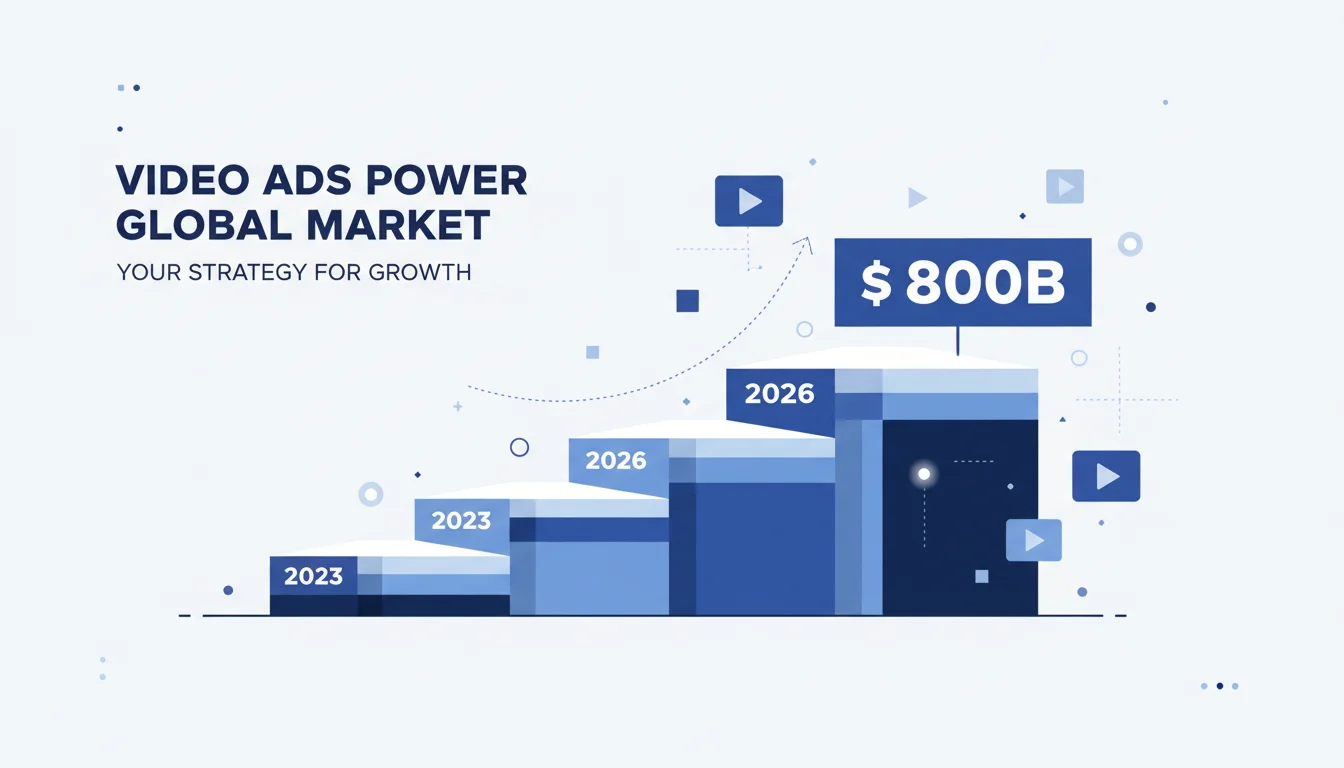
A Statista report from early 2026 noted that global digital video ad spending is on track to blow past $300 billion, with a huge chunk of that going toward performance marketing. Clients are watching every single dollar. They need to see a direct line between your creative work and their bank account. So, you should include screenshots of their analytics dashboards (blur out any sensitive info, obviously), get client testimonials that specifically mention the results you got them, and clearly explain the strategic thinking behind your creative choices. This shifts the client’s thinking from “Do I like how this video looks?” to “Will this person solve my expensive problem?”
Step 3: Implement a Multi-Channel Outreach Strategy
Putting all your eggs in one lead-gen basket is a recipe for disaster. A solid client acquisition plan uses several channels at once, each one tuned to your specific niche.
- Direct Outreach: This still works incredibly well if you do it right. Find companies that match your ideal client persona and contact them directly. First, study their current ad campaigns. Do you honestly think you could do better? Then write a personalized email that references their company’s specific needs or a recent campaign. For example, if you make animated ads for fintech, you could hit up a new challenger bank you’ve seen on LinkedIn Ads and pitch them a clearer way to explain their product.
- Platform Presence: Don’t just dump your portfolio and run. You need to be active where your ideal clients are hanging out. For B2B, that’s almost always LinkedIn. Post useful insights, comment on industry news, and be a helpful voice in relevant groups. For DTC brands, you might have better luck in places like the Shopify Partner Program communities or other e-commerce forums.
- Referral Networks: Build real relationships with other marketing pros who might need your skills. This means digital marketing agencies, media buyers, and other freelancers who do different things (like web design or SEO). A good referral network can become an amazing source of pre-vetted, high-quality leads.
- Paid Advertising (Yes, You!): Why not run your own targeted video ad campaigns? It’s the ultimate proof that you know what you’re doing. Use tools like Google Ads for YouTube placements or the Meta Ads Manager to get your work in front of the exact decision-makers in your niche. Your ad itself becomes your best sales pitch.
I’ve found that a mix of direct outreach and networking gives the best returns. Sending 50 copy-pasted emails will get you absolutely nowhere. But sending 10 hyper-personalized emails to companies you’ve actually researched, while also being an active participant in one or two key LinkedIn groups? That will move the needle. It’s about quality, not quantity.
Step 4: Master the Discovery Call and Proposal Process
When you finally get a prospect on a discovery call, your first goal is to deeply understand their needs. You should ask a ton of questions about their business goals, what they’ve tried before with advertising, who their target audience is, and what their key performance indicators (KPIs) are. This is pure data gathering. The more you learn about their pain points and objectives, the more effectively you can craft a solution that feels like it was made just for them.
Your proposal needs to reflect all that listening you did. It should start by restating their main problem in their own words, then explain how your specific video ad strategy will fix it, and clearly lay out the results they can expect. You have to include a timeline, a list of deliverables, and transparent pricing. I’ve found that offering two or three packages (maybe a basic option, a standard one with more revisions, and a premium one that includes strategic consulting) helps close deals because it gives the client a sense of control over the budget and scope. A proposal is a roadmap to their success.
Measurable Results: The Payoff of Precision
When you start using this kind of focused client acquisition plan, a few great things start to happen. First, you’ll attract better clients who are looking for your specific specialty, which leads to more interesting work and much better pay. When you’re positioned as the expert, clients argue less about price and are more willing to trust your creative judgment. That means more revenue and a stronger reputation.
Second, your freelance career will feel much more stable. Getting leads from different places means you’re not totally wrecked if one source dries up, which helps smooth out the financial roller coaster. Imagine having a steady flow of inquiries coming from your direct outreach, warm leads from your network, and even people finding you through your own ads. That kind of predictability makes it a lot easier to plan your finances and just generally lowers your stress levels.
Finally, you’ll end up with a portfolio full of work that has a real, measurable impact. This starts a powerful feedback loop: your awesome case studies attract more of your ideal clients, which helps you build even more case studies, further cementing your status as the go-to expert in your niche. This whole process builds a sustainable, profitable, and genuinely enjoyable freelance business for 2026 and beyond.
To get video ad clients in 2026, you have to get active. Shift from passively showing your work to strategically engaging with the right people, focusing on a specific niche, and proving your value with measurable results.
What’s the best way for a freelance video creative to stand out in 2026?
The most effective way is to specialize. Pick a specific industry or a type of video ad and become the expert in that area instead of being a generalist. This positioning lets you attract clients who need exactly what you do, which usually means better projects and less haggling on price.
How important are case studies for getting new video ad clients?
They are absolutely essential. In 2026, clients care most about results they can measure. A portfolio that breaks down the client’s problem, your solution, and the specific outcomes, like a higher conversion rate or a lower CPA, is way more persuasive than just showing the finished video.
Should I really use paid ads to find my own clients?
Yes, it can be a fantastic strategy. Running your own targeted video ad campaigns is a direct demonstration of your skills and lets you reach decision-makers in your niche. You can use platforms like Google Ads for YouTube or Meta Ads Manager to be very precise with your targeting.
What should a good freelance video ad proposal look like in 2026?
A strong proposal does more than list services and prices. It must show you understood the client’s problem by restating it, then explain how your video ad strategy will solve it. It should also outline the expected outcomes, a timeline, deliverables, and clear, often tiered, pricing options.
How do I build a good referral network for video ad work?
Start building relationships with other marketing pros like people at digital agencies, media buyers, or other freelancers in related fields (like web designers or SEOs). Go to industry events (even virtual ones), be active and helpful in online professional groups, and look for chances to team up on projects.


