 By Editorial Team
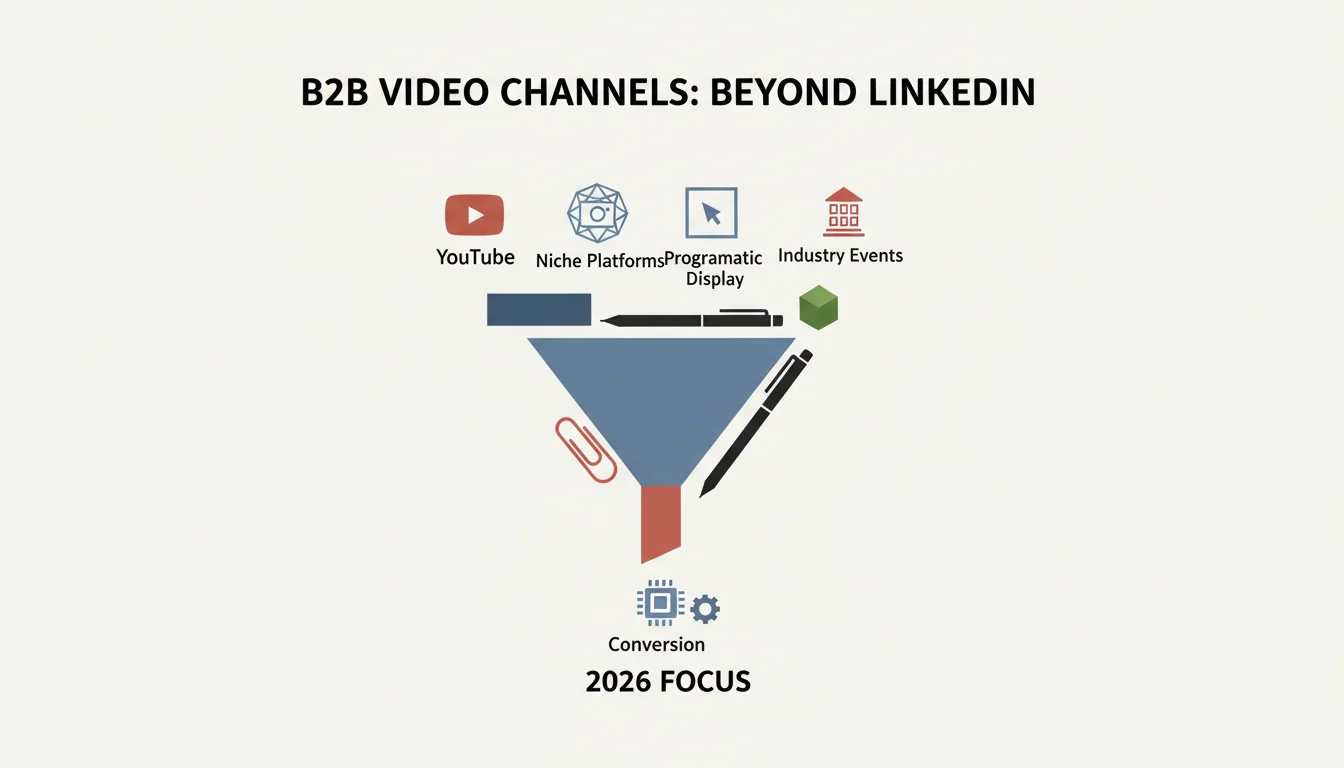
So much bad advice is floating around about B2B video ads for 2026, especially on the newer channels. I see too many companies just burning money on the same old strategies, totally missing where their actual buyers are spending their time. This leads to budgets getting torched with nothing to show for it. If you’re not willing to get your hands dirty with a data-driven, experimental approach to these platforms, you’re going to get left behind. It’s that simple.
Key Takeaways
- You can’t just run the same video on LinkedIn, YouTube Shorts, and connected TV (CTV). Each platform demands a completely different content strategy than your typical B2C playbook.
- Running small, structured experiments with video lengths, CTAs, and targeting on new channels can bring in way higher engagement and a much lower cost-per-lead for your B2B campaigns.
- You have to move past last-click attribution. Your attribution model needs to see the whole, complex buyer journey, accounting for the many video touchpoints that happen over weeks or months.
- Putting just 15% of your current digital ad budget toward testing new B2B video channels can uncover your next best-performing placements and audience pockets within the next two quarters.
Myth 1: B2B Video Ads Only Work on LinkedIn
The belief that LinkedIn is the only place for B2B video is a seriously outdated take. LinkedIn is still a beast for targeting by job title or industry, no question, but you’re ignoring a massive chunk of your audience’s screen time if you stop there. Your B2B buyers are real people who go home and watch the same consumer content as everyone else.
A 2025 eMarketer report found that nearly 70% of B2B buyers are using platforms like YouTube and even TikTok for work-related research. This doesn’t mean you should post your enterprise software demo on TikTok. It means they’re watching thought leadership and industry news in formats they actually enjoy. Platforms like YouTube give you incredible scale and let you target people based on their search intent or viewing history, so you can reach professionals who watch videos about “cloud computing trends” without ever needing to know their LinkedIn profile.
And then there’s Connected TV (CTV) advertising, which is a huge blind spot for most B2B brands. Picture this: a VP of Operations is finally relaxing after work, streaming a documentary. Your well-placed, 30-second spot about supply chain optimization hits them in a setting that’s far less crowded than their chaotic LinkedIn feed. How do you find them? You can target them through IP addresses and data overlays from third-party providers. Running some 15-second or 30-second test spots on Hulu or Peacock, aimed at geographic areas with a high density of your target companies, could produce some genuinely surprising results. The creative just has to fit the context. A high-level story about a customer’s success will resonate way more than a hard-sell product demo.
Myth 2: Short-Form Video is Only for B2C
So many B2B marketers dismiss short-form video like TikTok and Instagram Reels as just a playground for B2C brands chasing trends. This view is incredibly limiting and completely ignores how everyone’s information consumption habits have changed. Attention spans are short for everybody, including the C-suite, and a quick, valuable video is more effective than ever in a B2B setting.
We’ve seen our own clients get great results using YouTube Shorts and similar formats to drive real B2B engagement. Imagine your software company uses a 30-second Short to show off one single, major feature, or a supplier shows a complex manufacturing process in a quick, digestible clip. You aren’t trying to go viral. You’re trying to deliver a burst of value that earns a click to a longer video or a landing page. The authentic, less-polished feel of these videos can also do wonders for humanizing your brand and making it feel more approachable.
The work here is all about rapid experimentation within very tight time limits. For example, you can A/B test two 15-second Shorts, one starting with a shocking statistic and the other with a direct product benefit, to see what actually gets a finance director to stop scrolling. You’re not just looking at views. You’re watching the click-through rates (CTR) and what happens after they land on your page. Can you deliver a valuable micro-moment that slots perfectly into a busy professional’s day? It’s a different kind of creative work than a big five-minute case study, but the potential upside in reach is huge.
Myth 3: B2B Video Ads Require Massive Production Budgets
The idea that you need a giant production budget to make effective B2B video ads is a tired excuse that holds too many businesses back. Sure, a big, glossy brand campaign has its place, but the channels that are working best for B2B right now reward authenticity and quick iteration, not just slick production.
With today’s video editing software, great smartphone cameras, and the freelance market, cost-effective video production is completely within reach. I’ve seen simple whiteboard animations explaining a complex service pull in more qualified leads than a beautiful, expensive live-action spot that completely missed the point with its messaging. For platforms like LinkedIn and YouTube Shorts, a video you shoot in-house with a clear script, good lighting, and clean audio can absolutely destroy a high-budget ad that feels irrelevant. Always focus on the message and the pain point you’re solving.
You should also be aggressively repurposing your existing content. That long blog post can be broken down into a dozen short video tips. A one-hour webinar has at least five great clips you can pull for social media. A testimonial from a happy client, even if it’s just a screen recording of a Zoom call, is pure gold. Your investment should shift from huge upfront production costs to smart content strategy. With tools like Adobe Premiere Pro or even a simple web editor like Canva Video Editor, your team can create great video without a full production house on retainer.
Myth 4: Measuring B2B Video Ad ROI is Impossible Beyond Last-Click
This is the myth that really holds people back: the belief that measuring the Return on Investment (ROI) for video is a black box if you can’t tie it to the last click before a conversion. This thinking completely devalues all the work video does at the top of the funnel to build awareness and trust before a prospect is even thinking about buying.
A B2B sales cycle is a marathon, not a sprint, often involving a whole committee of people and tons of different touchpoints. That video ad a prospect saw three months ago might be the reason they did a branded search today that led to a demo request. If you’re only using last-click attribution, the video gets zero credit for that conversion. You need to use multi-touch attribution models (like linear or time decay) that your analytics platform provides to spread the credit around. This requires getting your video ad platform data talking to your CRM and marketing automation software.
You should also be tracking view-through conversions, which count users who saw your ad, didn’t click, but converted later through another channel, a metric Google Ads reports on well for video campaigns. And remember brand lift. Running surveys to measure brand recall and purchase intent between a group that saw your ads and one that didn’t gives you hard data on the ad’s impact. It requires looking at the whole journey. This is where an agency like Moburst can be incredibly helpful, particularly with their Organic Awareness offering, because their entire model is built around tracking and optimizing these varied touchpoints. Instead of just looking at isolated metrics, they help you see the real impact your videos have on your brand and the entire path to conversion. You can get more details on how they build a brand’s presence at Organic Awareness.
Myth 5: You Must Be Present on Every New Video Channel
Chasing every shiny new video channel is a classic B2B marketing mistake. This “spray and pray” method just spreads your team and budget too thin, leading to weak content and poor results. Being everywhere at once is a recipe for being nowhere effectively.
A much smarter approach is strategic experimentation and focused presence. Don’t try to be on ten platforms. Pick two or three new channels that actually make sense for your target audience’s behavior. For instance, if you sell to younger tech founders, running educational content on a platform like TikTok for Business could be a brilliant move. If you sell to senior executives, you’re better off focusing on premium CTV spots. You have to do the audience research first and then make a deliberate choice about where to place your bets.
Once you’ve picked your test channels, run a formal experiment. Write down a clear hypothesis, set aside a test budget (say, 10-20% of your video ad spend), and know what metrics you’ll use to define success before you spend a single dollar. For example, your hypothesis might be: “A 30-second problem-solution video on YouTube Shorts will get a 0.8% CTR to our product page.” Run the test, analyze the data, and then decide if you want to iterate or pull the plug. It’s way better to dominate on a few channels that matter than to have a weak presence everywhere.
Getting B2B video right in 2026 and beyond means moving from a reactive “we should be there” mindset to one of proactive, data-backed experimentation. Once you get past these common myths and start running structured tests, you’ll find new ways to connect with your audience and drive real growth.
What are the most promising emerging B2B video ad channels in 2026?
For 2026, the most interesting B2B video channels are YouTube Shorts for quick, high-impact messages, Connected TV (CTV) for reaching decision-makers in a less-cluttered home environment, and any niche, industry-specific platforms that have started offering video ad placements.
How can B2B marketers effectively measure the ROI of video ads on new platforms?
To really measure B2B video ROI, you have to look beyond the last click. Use multi-touch attribution models, track view-through conversions, and make sure your video ad platform is integrated with your CRM. Running brand lift studies also helps you put a number on the awareness your videos generate.
Is short-form video truly effective for B2B marketing, or is it only for B2C?
Yes, short-form video is very effective for B2B. It’s a great way to deliver quick value, show a specific product feature, or share a key insight that respects a busy professional’s time. It gets their attention and drives them to want to learn more.
Do I need a large budget to create B2B video ads for emerging channels?
No, a huge budget isn’t a requirement. You can create great B2B video ads for new channels with in-house teams, a good smartphone, and affordable editing software. A clear message that delivers real value will always beat a glossy production with a weak message.
How should B2B companies approach experimentation with new video ad channels?
The best way for B2B companies to experiment is to be strategic. Pick 2-3 channels based on your audience research, create a specific hypothesis and success metric for each, dedicate a small test budget, and be ready to change your plan based on what the data tells you.


