 By Editorial Team
Influencer marketing contracts, especially for video, have to be airtight to protect the brand and the creator. These agreements aren’t just formalities. They’re how you manage expectations, define what gets made, and stop disputes before they happen in a field that changes constantly. A weak contract can cost you a fortune, wreck your reputation, and land you in a legal fight, so complete documentation isn’t just a good idea, it’s mandatory if you’re serious about this channel.
Key Takeaways
- Nail down every video deliverable: format, length, platforms, and posting schedule. Leave no room for confusion about what the creator must do.
- Be explicit about who owns the video content and how it can be used, defining the license duration, where it can be used, and what edits are allowed.
- Your contract must include clauses for FTC/ASA compliance, clear disclosure rules, and brand safety guidelines to avoid getting hit with regulatory fines.
- Lay out the exact payment schedule, including what triggers each payment and what happens with late payments or performance bonuses.
- Mandate the exact performance metrics you’ll track, how they’ll be reported, and the content review process to get brand sign-off before anything goes live.
Defining the Scope of Video Deliverables
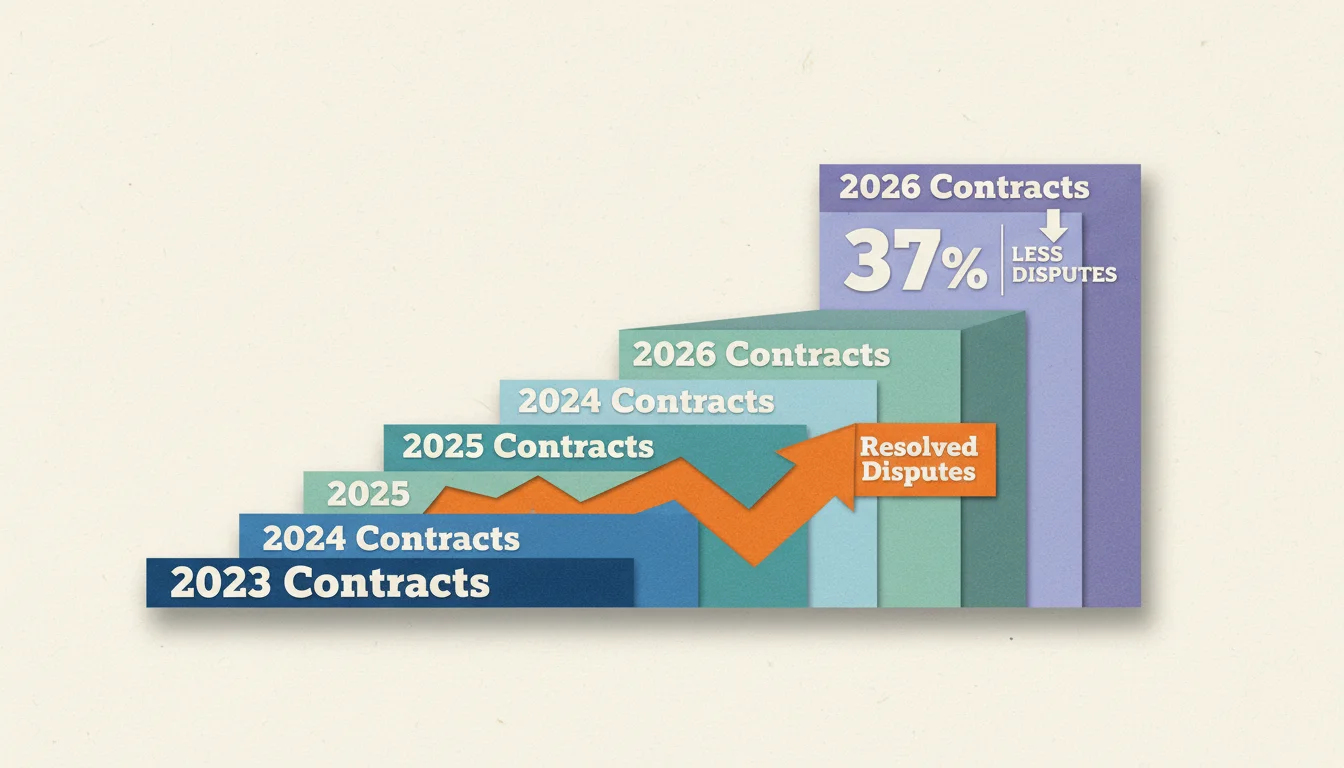
The real work in any influencer video agreement is defining what the creator will actually produce. You have to get granular and dissect every component, because just agreeing on “a video” means absolutely nothing. Brands constantly underestimate how much detail is needed here, thinking a general understanding is enough. It’s not. A 2025 IAB report on digital video advertising showed that 37% of brand-influencer disputes were a direct result of vague content specs, particularly around video length and platform exclusivity. So you have to be specific: what’s the exact length in minutes and seconds? Is it one long-form video or a series of short-form clips? If it’s short-form, how many clips and how long is each one? Specify the required resolution (e.g., 1080p, 4K) and aspect ratio, like 9:16 for vertical video on YouTube Shorts, 1:1 for the Instagram feed, or 16:9 for standard YouTube. You also have to stipulate the exact platforms for publication. Is it a primary post on one platform that gets repurposed for others? If so, define that strategy down to the last detail. The posting schedule is just as critical. “Sometime next month” is a recipe for a disaster. You need to demand specific dates and times, or at least a very narrow window, that allows time for your brand’s review and feedback.
Intellectual Property and Usage Rights
This section is where people really drop the ball. Who owns the video once it’s made? Absent a clear agreement, the law often defaults ownership to the creator as the original author, which is a huge problem for brands that invest in collaborations to get assets they can reuse. Your contract has to be explicit. You have a couple of options. The most common is a license agreement, where the influencer retains ownership of the content but grants the brand a license to use it. The terms of that license need to be spelled out in detail. How long does it last, 12 months, 24 months, or is it perpetual? What’s the geographic scope, worldwide or limited to specific countries? And what are the approved uses? Can the brand run the video in paid Google Ads or Meta Business Suite campaigns, put it on their website, or use it in email marketing? Can you edit it, trimming clips, adding logos, or dropping in a voiceover? Without these permissions, a brand can get sued for unauthorized use, and a NielsenIQ report from Q4 2025 showed that brands with clear, expansive usage rights saw a 15% higher return on ad spend than those with restrictive licenses. The other route is a work-for-hire agreement, particularly in the United States, where the brand is considered the owner of the content from the moment of creation. Brands seeking total control and unlimited usage rights prefer this, but it typically costs more, since the influencer is signing away all ownership. The right choice depends on your long-term content strategy and your budget. Whatever model you choose, the contract must also specify who owns the raw footage and other assets, which prevents future fights if you want to re-edit the content years later with a new agency.
Compliance, Disclosures, and Brand Safety
The rules for influencer marketing are always changing, and video presents its own set of challenges. Your contract must have strong clauses that force compliance with advertising standards and consumer protection laws. In the US, that means sticking to the Federal Trade Commission (FTC) Endorsement Guides. The contract must make it the influencer’s responsibility to clearly and conspicuously disclose their material connection to the brand in every video. This requires verbal disclosures, on-screen text, or both, because a tiny hashtag buried in the description box just isn’t enough for the FTC anymore. A quick mention at the very end of a 60-second video probably won’t cut it either. For international campaigns, you’re dealing with local regulations, like the Advertising Standards Authority (ASA) guidelines in the UK. The contract should obligate the influencer to know and follow all applicable advertising laws in both their country and the target audience’s country. Beyond disclosures, brand safety is everything. Your contract has to prohibit the influencer from producing content that is disparaging, defamatory, obscene, or that promotes anything illegal. It should also specify that the influencer won’t associate your brand with controversial topics or political drama that could damage your reputation. This applies to the campaign content and their general online activity while the campaign is live, which is why most brand contracts now include “morality clauses” that allow for termination if the influencer engages in behavior that could reflect badly on the brand.
Payment Structures and Performance Metrics
Compensation for video work can be complicated and often goes beyond a simple flat fee. The contract must clearly spell out the payment schedule, including any upfront deposits, milestone-based payments (e.g., upon script approval or video submission), and the final payment. Specify the currency, payment method, and terms (e.g., Net 30 from invoice). What are the penalties for late payment? Are there interest charges? Getting these details down prevents ambiguity and makes sure the creator gets paid on time. On top of a base fee, many video deals now include performance-based incentives, but this only works if you define clear, measurable metrics. For video, these might include:
- Views: The total number of unique views or impressions within a set time frame (like the first 30 days).
- Engagement Rate: A percentage calculated from likes, comments, shares, and saves against the view count.
- Click-Through Rate (CTR): If the video has a call-to-action with a trackable link, the CTR directly measures audience action.
- Conversions: For e-commerce brands, tracking direct sales or sign-ups from an influencer’s unique code or link is the ultimate goal.
The contract needs to specify how these metrics will be tracked (e.g., platform analytics, UTM parameters, dedicated landing pages) and who is responsible for reporting them. It’s also important to define the thresholds for any bonuses. For example, “if the video achieves over 500,000 views within 60 days, an additional bonus of X% of the base fee will be paid.” What if the video tanks? While penalties are rare, the contract might allow for renegotiating future work if performance is way below the agreed-upon benchmarks. Reporting has to be transparent, so the contract should require the influencer to provide analytics access or send detailed reports at set intervals.
Review, Approval, and Termination Clauses
The back-and-forth of video creation demands a clear review and approval process in the contract. This section should detail the number of review rounds you get, the timeline for giving feedback (e.g., the brand has 48 hours after receiving a draft), and the process for revisions. What happens if the brand asks for changes that are way outside the original scope? The contract needs to address how you’ll handle fees for that extra work. Without that clarity, projects get stuck in endless revision cycles, which delays the launch and inflates costs. Finally, every good contract needs well-defined termination clauses. Under what circumstances can either party walk away? Common reasons for a brand to terminate are:
- A clear breach of contract (like missing deadlines, failing to add disclosures, or creating content that violates brand safety).
- The influencer lied about something important.
- The influencer gets involved in a public scandal that harms the brand (this is where the morality clause comes in).
The contract should also outline the consequences of termination, such as prorated payment for work already completed, the return of any products, and the immediate takedown of all content. The influencer also needs the right to terminate if the brand doesn’t pay on time. This section is your legal framework for getting out of a partnership that’s gone bad. Not all collaborations succeed, and having a clear exit strategy is just as important as the initial agreement. Doing influencer marketing for video takes rigorous legal prep, not just creative vision. By drafting contracts that carefully address deliverables, IP rights, compliance, payment, and termination, brands and creators can set clear boundaries and build successful partnerships without the drama. This legal foundation lets everyone focus on what actually matters: creating compelling video content that resonates with people.
What specific details should be included about video length in an influencer contract?
You need to be exact. The contract must specify the duration in minutes and seconds for every video. For short-form content, define the number of clips and their individual lengths, for instance, “three 15-second vertical videos for Instagram Reels.” Don’t leave it open to interpretation.
How can a brand ensure they can reuse influencer video content for their own advertising?
To reuse video, the contract has to grant you explicit usage rights. This means specifying the license duration (e.g., perpetual, 12 months), the geographical scope (e.g., worldwide), and all the ways you’re allowed to use it (paid ads, website, email, etc.). A “work-for-hire” clause gives you maximum control, but a broad license agreement is another good option.
What are the key compliance requirements for influencer video disclosures?
Your contract must require clear and conspicuous disclosures in every video, following rules like the FTC Endorsement Guides. This usually means a verbal disclosure within the video itself plus on-screen text. It has to be prominent, not just a hashtag buried in the description box.
What performance metrics are typically used for video influencer collaborations?
Common metrics include total views, engagement rate (likes, comments, shares), click-through rate (CTR) from any trackable links, and conversions (sales or sign-ups) tied to the influencer’s unique code. The contract must define these metrics and how they’ll be reported.
What should a contract specify regarding the review and approval process for video drafts?
The contract should set the number of review rounds (e.g., one draft and one round of revisions), the deadline for brand feedback (e.g., within 72 hours), and the process for making changes. This helps avoid endless back-and-forth and keeps the project on schedule.