 By Editorial Team
Sarah Chen, CMO at the multinational software firm OptiCorp, stared at the Q3 marketing report, a familiar pit in her stomach. They’d sunk a significant budget into a new slate of video campaigns across Google Ads and Meta Business Suite, yet brand citation rates were flat. Her internal team produced slick, expensive-looking video ads, but the social listening tools and independent surveys showed zero corresponding lift in organic mentions or direct searches for OptiCorp. The data, pulled by an outside agency, pointed to a clear disconnect, people were watching, but they weren’t talking. This was about demonstrating real impact on brand equity, a key performance indicator her board scrutinized every quarter. How could their enterprise video ads actually get people to mention the OptiCorp name, and what was broken in their content workflow?
Key Takeaways
- Boost brand citation by building interactive elements (like polls or user-generated content prompts) directly into your enterprise video ads.
- A central content workflow, run on a platform like Adobe Creative Cloud for Enterprise, dramatically cuts down video ad deployment time and keeps all your assets consistent.
- To know if you’re succeeding, track brand citation with a mix of social listening tools, direct search query analysis, and post-campaign brand lift studies.
- Build video ad narratives around specific B2B pain points using problem/solution stories to get people talking, instead of just reciting product features.
- Set aside 15-20% of your video ad budget for A/B testing different story hooks and interactive features. It can deliver a major lift in citation metrics.
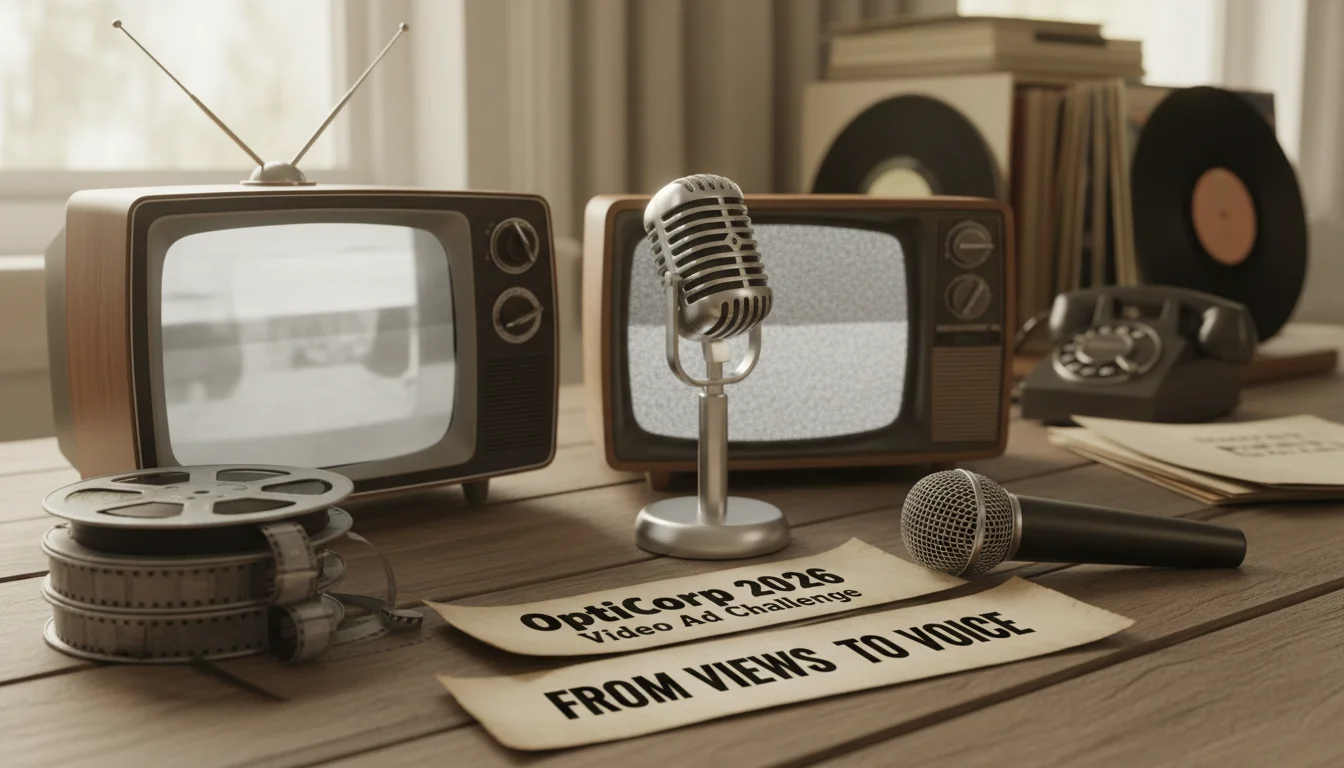
The Elusive Link: From Views to Voice
OptiCorp’s problem is one I see constantly in large companies. They have the budget for beautiful video production, but the final product often works more like a glossy brochure than a conversation starter. “We were creating these cinematic pieces,” Sarah recounted in a strategy session, “and while they looked fantastic, they felt one-way. Like we were broadcasting at our audience, not with them.” Her observation gets to the heart of it: too many enterprise video ads value polish over participation. The real goal was to embed the OptiCorp name, its solutions, and its value prop into the daily chatter of their target audience. Getting higher brand citation rates means creating an environment where customers, prospects, and industry watchers organically reference your brand.
The first thing I do in this situation is a frank assessment of the video content. Is it just informational, or is it genuinely engaging? Does it make people curious, provoke a thought, or offer a new angle on a common problem? Enterprise video often gets bogged down in corporate jargon and feature lists. A 2026 report from HubSpot showed that B2B video content focused on storytelling and problem-solving had 30% higher engagement than product-centric videos. That’s a significant margin when you’re trying to get people talking.
Revisiting the Content Workflow: A Bottleneck in Creation
The content workflow at OptiCorp was pretty traditional, and it was a source of the problem. Marketing would brief an external agency, which handled everything from scripting to post-production. The internal team just reviewed and approved. While it looked structured on paper, the process had built-in delays and frequently produced generic content that missed the mark. “The agency had their own ideas about what ‘enterprise’ meant,” Sarah explained, “and those ideas didn’t always line up with our deep understanding of our customers’ pain points. The back-and-forth alone added weeks to every campaign.”
Boosting brand citation with video ads requires you to be agile and responsive, because what works today is old news tomorrow. A rigid, agency-dependent workflow just can’t keep up. Forward-thinking companies are moving to integrated, in-house or hybrid models where content creation is tied directly to market feedback and real-time data. This doesn’t mean firing your agency, but it does mean equipping internal teams to create more dynamic content, especially for testing. Creating short, punchy video clips for specific social platforms, for instance, needs a completely different and faster process than producing a polished brand anthem. These smaller, more frequent assets can be huge drivers of citation if they’re timely.
Injecting Interactivity and Dialogue into Video Ads
OptiCorp’s turning point was a deliberate experiment with interactive video elements. Instead of asking people to passively watch, they started giving them choices, prompting them with questions, or encouraging them to share their own experiences. One campaign on data security challenges is a great example. After showing a common security breach scenario, the video paused and asked viewers: “What’s your biggest concern regarding data protection?” It offered multiple-choice answers and a field to type their own response. That data became gold for segmenting audiences for follow-up content and gave them amazing qualitative insights.
This simple change stops a video from being a monologue and turns it into a dialogue. When people feel like you’re listening to them or reflecting their concerns, they’re much more likely to talk about the brand that started the conversation. A 2026 IAB report on digital video trends found that interactive video ads pulled in 4x higher click-through rates and a 2x increase in brand recall compared to standard linear videos. Those metrics are direct precursors to more citation. The interaction must feel meaningful and relevant to the viewer’s problems.
They also started using platforms like Wistia and Vidyard for hosting and analytics, which let them embed polls, quizzes, and personalized calls-to-action right inside their videos. That level of control and data was a massive upgrade from their old passive approach. They could finally A/B test different interactive prompts to see which ones actually led to higher engagement and, more importantly, which ones sparked real conversations on platforms like LinkedIn or in industry forums.
Simplifying the Content Workflow for Agility
To make this new interactive strategy work, OptiCorp had to completely overhaul its content workflow. They adopted a more agile model by bringing video editing and motion graphics skills in-house. Investing in an enterprise subscription to Adobe Creative Cloud for Enterprise was key, as it allowed their internal team to quickly adapt assets, create variations for testing, and react to campaign performance data without waiting on an agency for every minor edit. It also meant their internal subject matter experts could collaborate directly on video concepts, which kept the content accurate and relevant.
The new workflow looked like this:
- Rapid Prototyping: The team started creating low-fidelity video concepts internally, sometimes using just simple animation tools or voiced-over slide decks, to test their core ideas fast.
- Iterative Production: Production shifted to developing short, modular video assets that could be easily reassembled, repurposed, or updated based on how they performed.
- Centralized Asset Management: They implemented a real digital asset management (DAM) system to make sure all video clips, graphics, and brand elements were easy to find and consistent. This sounds like a basic step, but it’s a huge pain point for many large organizations with fragmented asset libraries.
- Integrated Feedback Loops: They created clear channels for continuous feedback from the sales, customer success, and product teams, so real-world intelligence was constantly informing what they created next.
Of course, the shift came with its own set of challenges. The internal team had an initial learning curve, and the budget had to be reallocated to support the new tools and training. But the long-term gains in speed, relevance, and control over their brand’s story far outweighed the upfront pain. “We went from a six-week turnaround for a new video ad to sometimes just a few days for a variation,” Sarah noted. “That responsiveness allowed us to jump on trending topics or address emerging customer needs almost immediately.”
Measuring the Unmeasurable: Tracking Brand Citation
The whole point was to increase brand citation, but that isn’t a single metric you can just pull from a dashboard. It’s a messy, multi-faceted thing to measure, so OptiCorp implemented a few different strategies to get a clear picture.
- Enhanced Social Listening: They upgraded their social listening stack (using tools like Brandwatch and Sprinklr) to track not just mentions of “OptiCorp” but also related industry terms and specific keywords from their video campaigns, all while analyzing sentiment.
- Direct Search Query Analysis: Working closely with their SEO team, they monitored Google Search Console for increases in branded searches (like “OptiCorp software”) and long-tail queries that combined their brand name with problems mentioned in the videos.
- Brand Lift Studies: For their larger campaigns, they continued to run independent brand lift studies with third-party research firms. These surveys measured changes in brand awareness, ad recall, and purchase intent among target audiences before and after they saw the ads.
- Website Referrals and Direct Traffic: An increase in direct website traffic or referrals from industry blogs and forums strongly correlates with increased brand discussion, so they kept a close eye on these analytics as well.
After running this new playbook for two quarters, the results were in. Their social listening reports showed a 15% increase in organic brand mentions tied to their video ad themes. Branded search queries climbed a consistent 8%. The hard data was great, but the real proof came from the sales team, who reported that prospects were starting calls by referencing specific scenarios from their new interactive videos. That anecdotal evidence, backed by the data, was all the validation they needed.
The Resolution: From Broadcast to Conversation
Sarah Chen’s Q4 report showed a complete reversal of the previous negative trends. OptiCorp’s brand citation rates were showing significant, sustained improvement. The success came from rethinking the entire approach to enterprise video ads, from the initial concept all the way to interaction and measurement. “We stopped thinking of video as a broadcast medium and started treating it as a conversation starter,” Sarah wrote in her executive summary. That change in thinking, combined with an agile workflow and a focus on interactivity, drove the turnaround in brand equity. To actually increase brand citation, video ads need to do more than just inform. They have to engage viewers and turn them into advocates.
What is a brand citation rate in the context of video ads?
It’s the frequency that your brand is mentioned organically by customers, the media, or industry people as a result of them seeing your video ads. It’s a measure of your brand’s ability to generate actual discussion, not just passive views.
How can interactive elements in video ads improve brand citation?
By encouraging active participation with things like polls, quizzes, or branching stories, you make the ad experience more personal and memorable. This increases the chance that viewers will talk about the brand or its message with others, which directly boosts citation.
What specific tools are used to measure brand citation from video campaigns?
You need a combination of tools. Social listening platforms (like Brandwatch or Sprinklr) track mentions online, search analytics tools (like Google Search Console) monitor branded search volume, and third-party brand lift studies can quantify changes in awareness after a campaign.
Why is a flexible content workflow important for enterprise video ads?
A flexible workflow allows your company to produce, adapt, and test different video ad variations quickly. You need that agility to react to market trends, performance data, and audience feedback, which is essential for creating relevant content that gets people talking.
Should enterprise video ads focus more on storytelling or product features to increase brand citation?
To get higher brand citation, you absolutely have to prioritize storytelling that addresses customer pain points and offers a clear solution. A good story that connects with people emotionally or intellectually will always spark more conversation than a dry list of product features.


