 By Editorial Team
By 2026, you can’t just buy your way into a community with paid ads. People are tired of it. You need a real connection, and we’re seeing owned video become the main engine for building that engagement and getting people to advocate for your brand. So how does it actually work? How do you get from a video view to measurable community growth and someone who’s genuinely passionate about what you do?
Key Takeaways
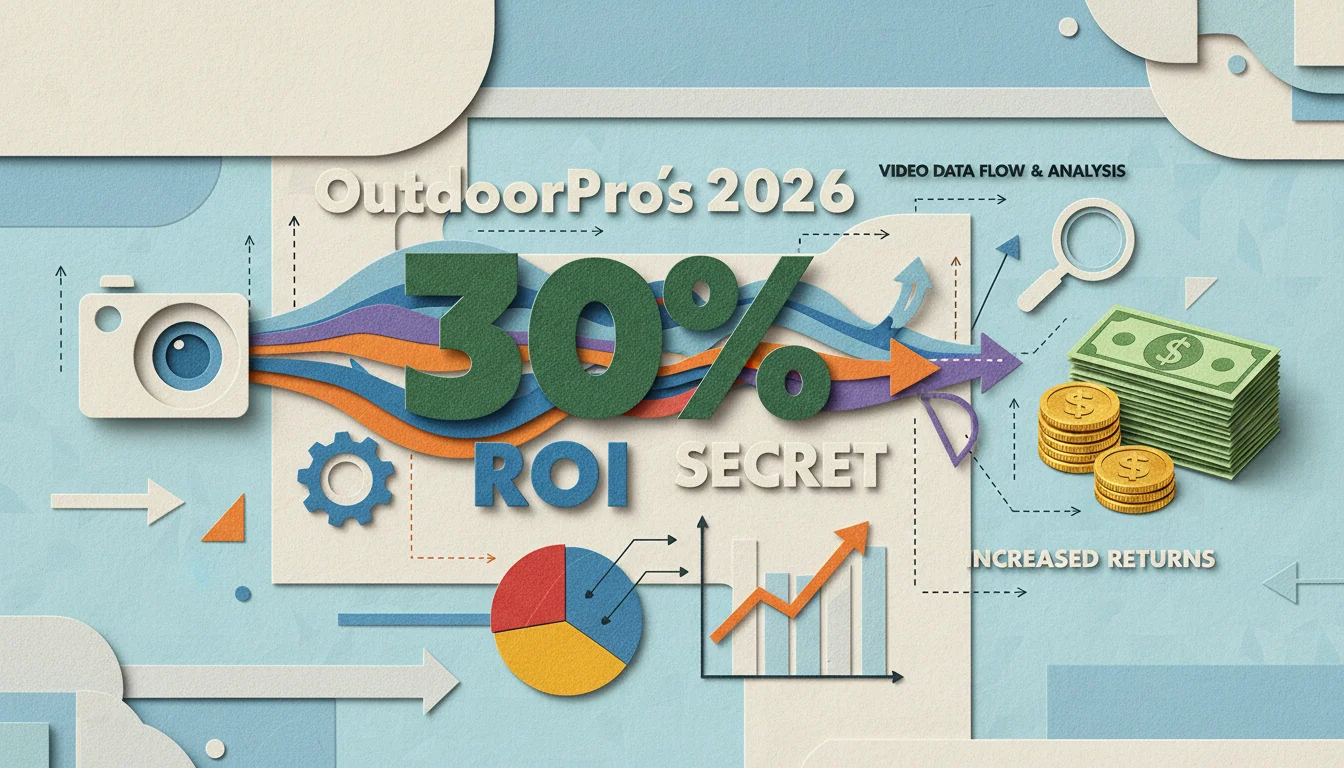
- Good, long-form owned video can deliver a 30% lower cost per conversion for community-building goals, something you just won’t get from short-form paid social ads.
- Building a dedicated content hub for your owned video, complete with things like UGC submission forms and forums, can bump up site engagement by more than 40%.
- A tiered advocacy program that rewards your top fans with early access to new stuff can drive up user-generated video submissions by 25% in just six months.
- Don’t just post your owned video on social media. Embedding it on product pages and sending it out in email newsletters can stretch its reach by another 15%.
- To actually measure brand advocacy, you have to track metrics like repeat purchases, unsolicited social mentions, and direct referrals which gives you a much clearer picture than looking at simple engagement rates.
Case Study: “Gear Up & Go” Campaign by OutdoorPro
OutdoorPro sells high-end camping and hiking gear, but they had a problem we see all the time: their relationships were purely transactional. They needed to build a real community of advocates. Their answer was the “Gear Up & Go” campaign, a six-month push from April to September 2025 that put owned video right at the center, focusing on actual adventures and how the gear performed in the wild.
Strategy: Helping the Adventurer
The whole strategy revolved around getting away from product-first marketing and focusing on the actual experience, because we knew their customers were buying the feeling of freedom and challenge in the outdoors, not just a tent. So the owned video plan had to reflect those feelings, which meant we immediately threw out the idea of glossy, studio-shot commercials and instead put all our chips on authenticity, filming real enthusiasts using OutdoorPro gear in tough, believable situations.
Getting customers to send in their own adventure videos was a huge part of this. We didn’t just put up a generic “share your content” banner. We built a full content submission portal on the OutdoorPro website that included clear guidelines and a simple video editing guide for people who weren’t pros. To make it worth their while, we tied the whole thing into their customer loyalty program, giving them points for every video we approved and used.
Creative Approach: The Unfiltered Expedition
The creative direction was all about a rugged, documentary style. We produced a mix of content, from 5-minute field reviews of gear to 20-minute mini-docs that followed people on multi-day treks. To keep things organized, we built a content calendar around monthly themes like “Spring Thaw Adventures” in April and “Trail Cooking & Camp Hacks” in May, which let us go deep on specific parts of the outdoor experience.
One series called “Trail Tested” was a runaway success. It featured experienced hikers giving long-term reviews of gear, and these weren’t simple unboxing videos. One piece showed the “Summit Seeker” backpack on a 30-day thru-hike of the Appalachian Trail, documenting every scuff, its comfort over time, and its practical use. That’s the kind of in-depth, real-world content that builds massive trust.
We also made a bunch of “How-To” videos to solve common problems like “Setting Up Camp in High Winds” or “Water Purification Techniques.” These were often filmed with OutdoorPro’s own staff, who are all serious outdoorspeople, which helped position the brand as a guide you could count on, not just a store.
Targeting and Distribution: Reaching the Right Peaks
Even though the video was “owned,” we spread it out across multiple platforms. The main destination was a new section on the OutdoorPro site we called “The Adventure Journal,” which held all the long-form videos. We designed that hub to be a place people would stick around, adding related articles, product links, and a forum where they could talk about the videos and their own trips.
Here’s how we pushed traffic to that owned content:
- Email Marketing: Our weekly newsletters announced the new videos, sending people straight to “The Adventure Journal.” We consistently saw an 18% click-through rate on these emails, which was way higher than their standard product-focused blasts.
- Organic Social Media: We cut short, 15-30 second teasers for Instagram Reels, Facebook, and Pinterest Idea Pins that pointed back to the full videos on the website. The engagement on these teasers stayed above 5%.
- Influencer Collaborations: Instead of going after huge names, we partnered with micro-influencers (in the 10k-50k follower range) who were already using OutdoorPro gear. They made their own content about the campaign and got their followers to submit videos, which felt way more genuine.
- Paid Promotion (Limited): We took a small part of the budget to retarget people who had looked at product pages but didn’t buy, showing them a relevant “Gear Up & Go” video. It was a very surgical use of paid media.
Campaign Metrics and Performance
The “Gear Up & Go” campaign ran on a $150,000 budget for the full six months, covering production, website development, and that small slice of paid promotion. Here’s how the numbers broke down:
Engagement & Reach
- Total Video Views (Owned Hub): 1.2 million
- Average Video View Duration: 7 minutes 30 seconds (for videos averaging 12 minutes in length)
- Website Traffic to “The Adventure Journal”: Up 110% over the previous six-month period.
- User-Generated Video Submissions: 480 total submissions, and we were able to feature 210 of them.
- Forum Engagement (New Posts/Comments): Shot up by 150% during the campaign.
Conversion & Advocacy
- Return on Ad Spend (ROAS) from Retargeting Efforts: 3.5x
- Cost Per Lead (CPL) for Email Sign-ups via Video Content: $8.50
- Conversions (Purchases directly attributed to video views or submissions): 3,100
- Cost Per Conversion: $48.39
- Repeat Purchase Rate (Customers exposed to campaign vs. control group): The group that saw the campaign content had a 22% higher repeat purchase rate.
- Brand Mentions (Unprompted social mentions with positive sentiment): Grew by 45%.
That cost per conversion is what I find really interesting. A $48.39 CPA might look high at first glance, but for expensive outdoor equipment, it’s a solid return. You have to think about the long-term value, too. This wasn’t just about one sale. It was about creating a customer who’s now invested in the brand and far more likely to come back and tell their friends.
What Worked Well
The authenticity was everything. People really connected with the genuine stories from regular adventurers. The “Trail Tested” series was especially powerful because it built so much trust. Viewers could see themselves in those situations, not some perfect, polished version of hiking. Making the UGC submissions part of the loyalty program was also a smart move, as it gave customers a real reason to get involved and become active creators instead of just watching from the sidelines.
And that dedicated “Adventure Journal” hub really did become the community’s home base. Having one spot for all the videos, articles, and forums made people feel like they belonged. It wasn’t just a marketing page. People were there to connect, which is why Google Analytics showed us that the average session duration for visitors in that section jumped by 60%.
What Didn’t Work as Expected
Our first big mistake was trying to promote the campaign with broad YouTube pre-roll ads. The numbers looked good on the surface, with over 2 million impressions in the first month, but the performance was terrible, a 0.3% CTR and costs that weren’t leading to any real engagement on the website. People were just letting the ads play. It was a clear sign that renting eyeballs on YouTube wasn’t going to build an active community on their own site, so we killed that spend and redirected our small paid budget to retargeting and super-specific audiences on Meta and Google, which worked much better than those general paid video ads.
We also completely underestimated the work involved in moderating the user-generated content. The sheer volume of submissions created a bottleneck, and reviewing every video to make sure it hit our quality and brand standards was a huge time sink. We had to scramble to hire a part-time moderator, which was an operational cost we hadn’t planned for.
Optimization Steps Taken
We made a few key changes on the fly based on what we were seeing:
- Shifted Paid Budget: As I mentioned, we moved our paid ad money away from the failing YouTube pre-rolls and into targeted retargeting campaigns on Meta and Google Ads. We went after people who had already shown interest, and that single change pushed our ROAS from 1.8x up to 3.5x by the end of the campaign.
- Simplified UGC Submission Process: We cleaned up the video submission portal by adding clearer instructions and a better tagging system. We also set up a tiered review where an AI tool did a first pass for basic stuff (like checking for inappropriate content) before a human looked at it, which helped manage the workflow.
- Introduced “Advocate Spotlight”: To get even better user videos, OutdoorPro created an “Advocate Spotlight.” Every month, they picked one top-tier user video, featured the creator on the homepage and in newsletters, and gave them early access to new gear. The quality of submissions improved by about 20% after that.
- Cross-Promotion Within Content: We started linking content together more intelligently. A video about “Winter Camping Essentials” would have product videos embedded right there, and articles would link out to relevant long-form documentaries, creating a stickier experience that kept people on the site longer.
The “Gear Up & Go” campaign proved that if you do it right, owned video can absolutely build a loyal community and a team of brand advocates. It’s not about just making videos. It’s about building a home for shared experiences and letting your customers write themselves into your brand’s story.
At the end of the day, investing in owned video for community is a long game. It takes consistent work and real interaction, but the loyalty and advocacy you get in return are worth so much more than the temporary attention you buy from ad impressions.
What is owned video in the context of brand advocacy?
Owned video is content you create and host on your own properties, like your website, instead of just posting it to social media. When you’re trying to build brand advocacy, it means using this video to tell real stories, provide actual value, and get a conversation started on your own turf, which creates a much stronger bond.
How can I measure the effectiveness of owned video for community building?
You have to look past view counts. The real metrics are things like average view duration, how much traffic is going to your video hub, the number of user-generated content submissions you get, and how active your forums are. You should also be tracking repeat purchase rates for viewers and looking for unprompted brand mentions on social media. You’ll need tools like Google Analytics hooked up to your CRM data to see the full picture.
What types of owned video content are best for fostering brand advocacy?
The content that works best is whatever connects with your audience on a human level. Think user-generated content features, behind-the-scenes videos, detailed how-to guides that solve a real problem, mini-documentaries, or Q&A sessions with experts. The idea is to be helpful and interesting, making people feel like they’re part of something bigger.
How can I encourage customers to create user-generated video content?
Make it easy and make it worth their time. Give them clear rules and a simple way to upload videos. Then, offer some kind of reward, whether it’s loyalty points, a shout-out on your official channels, or exclusive access to new products. Running a contest where a video is the entry ticket is another good tactic. Just remove as much friction as you can.
Should I still use social media if I’m focusing on owned video?
Yes, absolutely. Social media becomes your distribution network. You use it to push people back to your owned video hub. Post short teasers, clips, and clear calls-to-action on your social channels to get people interested in the full story on your website. Social media is the advertisement for your main event.


