 By Editorial Team
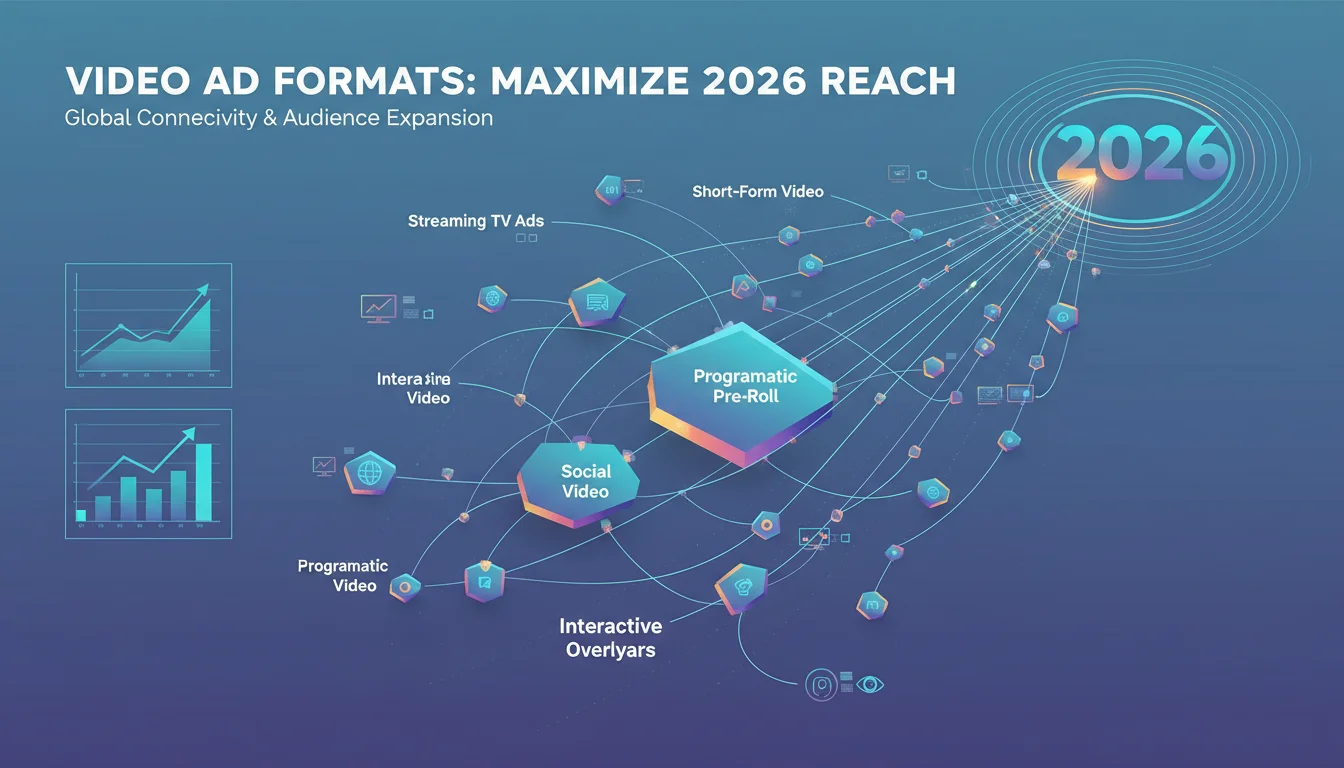
Many marketers struggle to achieve genuine engagement with their video advertising, often due to a one-size-fits-all approach across diverse platforms. The critical challenge lies in understanding that each social media and streaming environment demands specific video ad formats to maximize audience reach and campaign effectiveness. How can advertisers precisely tailor their video content for each digital channel to truly resonate with their target demographic?
Key Takeaways
- Short-form vertical video (9:16 aspect ratio, under 15 seconds) is essential for platforms like TikTok and Instagram Reels, driving higher completion rates due to native user behavior.
- YouTube TrueView In-Stream ads benefit from a strong hook within the first five seconds and clear calls to action, as viewers have the option to skip after this initial period.
- LinkedIn’s video ad strategy should prioritize professional narratives and case studies, with a recommended length of 30 to 90 seconds for optimal engagement among business audiences.
- Facebook and Instagram feed videos perform best with square (1:1) or vertical (4:5) aspect ratios, incorporating captions for silent viewing and focusing on brand storytelling.
- Programmatic video advertising demands diverse asset libraries, including 16:9, 1:1, and 9:16 variations, to ensure adaptability across various publisher sites and app environments.
The Cost of Generic Video Ads: What Went Wrong First
For years, the prevailing wisdom in digital advertising suggested that a single, high-quality video creative could simply be repurposed across all platforms. This led to significant budget waste and missed opportunities. I’ve seen countless campaigns where a beautifully produced 16:9 television commercial was merely uploaded to Instagram Stories or TikTok, only to perform dismally. The aspect ratio was wrong, the pacing was off, and the message, designed for passive consumption, failed to capture fleeting attention spans in a scroll-heavy feed. This approach, rooted in a broadcast mentality, completely ignores the distinct user behaviors and technical specifications of each digital channel.
Consider the data: A report by eMarketer in late 2023 projected that global social media ad spending would continue its upward trajectory, reaching over $260 billion by 2026. Despite this massive investment, many advertisers still operate under the misconception that a single creative asset will suffice. This isn’t just inefficient. It’s a fundamental misunderstanding of digital media consumption. Users don’t engage with a 30-second horizontal spot on TikTok the same way they might with a pre-roll ad on YouTube or a sponsored post in their Facebook feed. The context, the device, and the intent are all different.
Another common misstep was neglecting the important role of sound. While many platforms automatically play videos silently, especially in feeds, a significant portion of users do eventually turn on audio. Early campaigns often failed to provide captions or visual storytelling that made sense without sound, alienating a large segment of the audience. The idea that “video sells itself” without considering the specific environment is a dangerous assumption that directly impacts return on ad spend.
The Solution: Platform-Specific Video Ad Formats
Achieving maximum reach and engagement with video advertising today demands a highly tailored approach, recognizing the unique characteristics of each platform. This isn’t about creating entirely new concepts for every channel, but rather adapting core messages and visuals to fit the technical and behavioral nuances.
TikTok and Instagram Reels: The Reign of Vertical, Short-Form Content
For platforms like TikTok and Instagram Reels, the imperative is clear: vertical video with a 9:16 aspect ratio. Anything else immediately stands out as non-native and often gets scrolled past. The ideal length for these platforms is typically between 6 and 15 seconds, though TikTok allows up to 3 minutes for certain ad types. The first 1-3 seconds are paramount. They must hook the viewer immediately. Think dynamic visuals, quick cuts, and a clear, concise message. Text overlays are also important here, as many users consume content without sound initially. I’ve seen campaigns for consumer goods achieve a 20% higher click-through rate on Reels when they optimized for vertical full-screen playback versus a letterboxed horizontal video.
The content itself should feel authentic and less “produced” than traditional advertising. User-generated content (UGC) or content that mimics it often performs exceptionally well. Trends also move incredibly fast on these platforms. Staying agile and adapting to emerging sounds and challenges can significantly boost visibility. This requires a content pipeline that can produce multiple, short, engaging variations quickly.
YouTube: Mastering Pre-Roll and In-Stream Engagement
YouTube remains the king of long-form video, but its ad formats demand specific strategies. TrueView In-Stream ads, which play before or during other videos, offer a skip option after five seconds. This means your most compelling message, brand identity, and a clear call to action must appear within that initial window. If you’re relying on a narrative that unfolds over 30 seconds, you’ve likely lost a significant portion of your audience before they even see the punchline.
Consider two versions of an ad: one with a slow build-up and brand reveal at 10 seconds, and another with the product benefit highlighted in the first 3 seconds, followed by details. The latter consistently outperforms the former in terms of view-through rates and conversions on YouTube. For non-skippable ads (up to 15-20 seconds), you have a captive audience, but the content still needs to be engaging enough to prevent irritation. Bumper ads, at just 6 seconds, are excellent for driving brand awareness with a memorable, concise message, often as part of a larger campaign strategy. Always optimize for a 16:9 aspect ratio on YouTube, as this is the standard for the platform’s video player.
Facebook and Instagram Feeds: The Power of Square and Vertical
While Reels cater to vertical, full-screen content, the main feeds of Facebook and Instagram prefer slightly different aspect ratios for maximum visibility. Square video (1:1) takes up more screen real estate than horizontal video on mobile devices, making it a strong contender for feed placements. Even better, vertical video (4:5), which is slightly less tall than 9:16, often commands the most attention in a user’s feed without being cut off. The key here is to design for silent viewing. Add captions and visually engaging elements that convey your message without relying on audio.
Engagement rates on these platforms are heavily influenced by the first few seconds. Brands should aim for videos that are between 15 and 60 seconds for feed placement, though shorter can work for quick announcements. Longer formats (up to 3 minutes) are possible but require exceptional storytelling to maintain viewer interest. For instance, a recent campaign for a local bookstore saw a 35% increase in click-throughs on Facebook when they switched from a 16:9 ad to a 4:5 format with embedded captions, highlighting new arrivals.
LinkedIn: Professionalism and Thought Leadership
LinkedIn‘s audience is distinct: professionals seeking insights, career opportunities, and industry news. Video ads here should reflect that. Think case studies, product demonstrations, thought leadership pieces, or recruitment messages. A professional tone is important, and while 1:1 and 16:9 aspect ratios are supported, the content’s perceived value is paramount. Videos typically range from 30 seconds to 2 minutes, but I’ve seen longer, well-produced content perform if it offers genuine value. For example, a B2B SaaS company achieved a 15% lower cost-per-lead on LinkedIn by replacing a generic product promo with a 90-second client testimonial video.
Programmatic Video: Adapting to Diverse Environments
Programmatic video advertising, delivered through demand-side platforms (DSPs) to a multitude of publisher sites and apps, requires a complete asset library. Here, you’ll need variations of your video in 16:9, 1:1, and 9:16 aspect ratios to ensure your ad can display optimally across various placements. The duration can vary widely, from 15-second pre-roll spots on news sites to longer, in-article videos. The challenge is ensuring brand consistency while allowing for format flexibility. A strong content management system that can quickly generate different cuts and aspect ratios from a master creative is invaluable here.
According to the IAB’s 2025 Digital Video Ad Spend Report, programmatic video continues to be a dominant force, demanding this kind of versatility. Ignoring this means your ads might appear poorly cropped, letterboxed, or simply not delivered to certain high-value inventory. It’s a technical necessity that directly impacts campaign performance.
The Results: Measurable Impact on Reach and ROI
By adopting a platform-specific strategy for video ad formats, advertisers can expect significant, measurable improvements. First, increased view-through rates. When an ad fits natively into the platform’s user experience, it’s less likely to be skipped or ignored. This means more people are watching your message to completion, leading to better brand recall and message absorption. For one client, a retail brand in Atlanta, we saw a 25% uplift in video completion rates on Instagram Stories simply by switching from a horizontal ad to a full-screen vertical one, paired with clear text overlays and a swipe-up call to action.
Second, higher engagement rates. Ads that are tailored to the platform’s typical content style and length receive more likes, shares, and comments. This organic interaction amplifies your reach beyond paid impressions, effectively reducing your overall cost per engagement. A B2B campaign targeting professionals in the technology sector observed a 10% increase in lead form submissions on LinkedIn when they used a 60-second interview-style video over a shorter, more generic product highlight video.
Third, and perhaps most importantly, improved return on ad spend (ROAS). When your video ads are seen by more people, are more engaging, and drive more direct actions (like clicks, sign-ups, or purchases), your advertising budget works harder. The initial investment in creating multiple formats pays dividends by reducing wasted impressions and increasing conversion efficiency. A national CPG brand recently reported a 1.8x ROAS on campaigns that carefully adapted video creatives for each platform compared to their previous “one-size-fits-all” approach, particularly for their snack products popular among younger demographics. This kind of granular optimization isn’t just a suggestion. It’s a competitive necessity in 2026.
This strategic shift also encourages a deeper understanding of your audience on each platform. Analyzing performance data for specific formats can reveal insights into what resonates where, allowing for continuous refinement. It’s not about being everywhere. It’s about being effective where your audience is, with content designed for that specific interaction. This iterative process of creation, deployment, and analysis is what truly maximizes audience reach and campaign efficacy.
In the end, investing in diverse video ad formats for each platform is no longer optional. It is a fundamental requirement for any brand serious about capturing and retaining audience attention. The days of broadcasting a single message are long gone, replaced by a dynamic ecosystem where specificity and native integration dictate success. For more insights into optimizing your campaigns, consider exploring how Google Ads AI Max can enhance your video conversion mastery.
What is the optimal video ad length for TikTok?
For TikTok, the optimal video ad length is typically between 6 and 15 seconds. While the platform supports longer videos, shorter, highly engaging content tends to perform best due to the fast-paced nature of user scrolling and attention spans. The first 1-3 seconds are critical for capturing viewer interest.
Why are captions important for video ads on Facebook and Instagram feeds?
Captions are important for video ads on Facebook and Instagram feeds because a significant portion of users consume content without sound, especially when browsing in public or quiet environments. Including captions ensures your message is conveyed even when the audio is off, increasing accessibility and comprehension.
Which aspect ratio is best for YouTube TrueView In-Stream ads?
For YouTube TrueView In-Stream ads, the 16:9 aspect ratio is universally recommended. This is the standard aspect ratio for YouTube’s video player, ensuring your ad displays correctly and takes up the full available screen space without letterboxing or pillarboxing.
How does programmatic video advertising differ in its format requirements?
Programmatic video advertising requires a more diverse library of assets, typically including 16:9, 1:1 (square), and 9:16 (vertical) aspect ratios. This is because programmatic ads are served across a vast network of publisher sites and apps, each with different display requirements, necessitating flexibility to maximize reach and optimal placement.
Should I create entirely different video concepts for each platform?
You don’t always need entirely different video concepts for each platform. Instead, focus on adapting your core message and visuals to fit the specific technical requirements (aspect ratio, length) and user behaviors of each channel. This often means creating multiple cuts and versions from a primary creative asset, rather than starting from scratch every time.


