 By David Carson
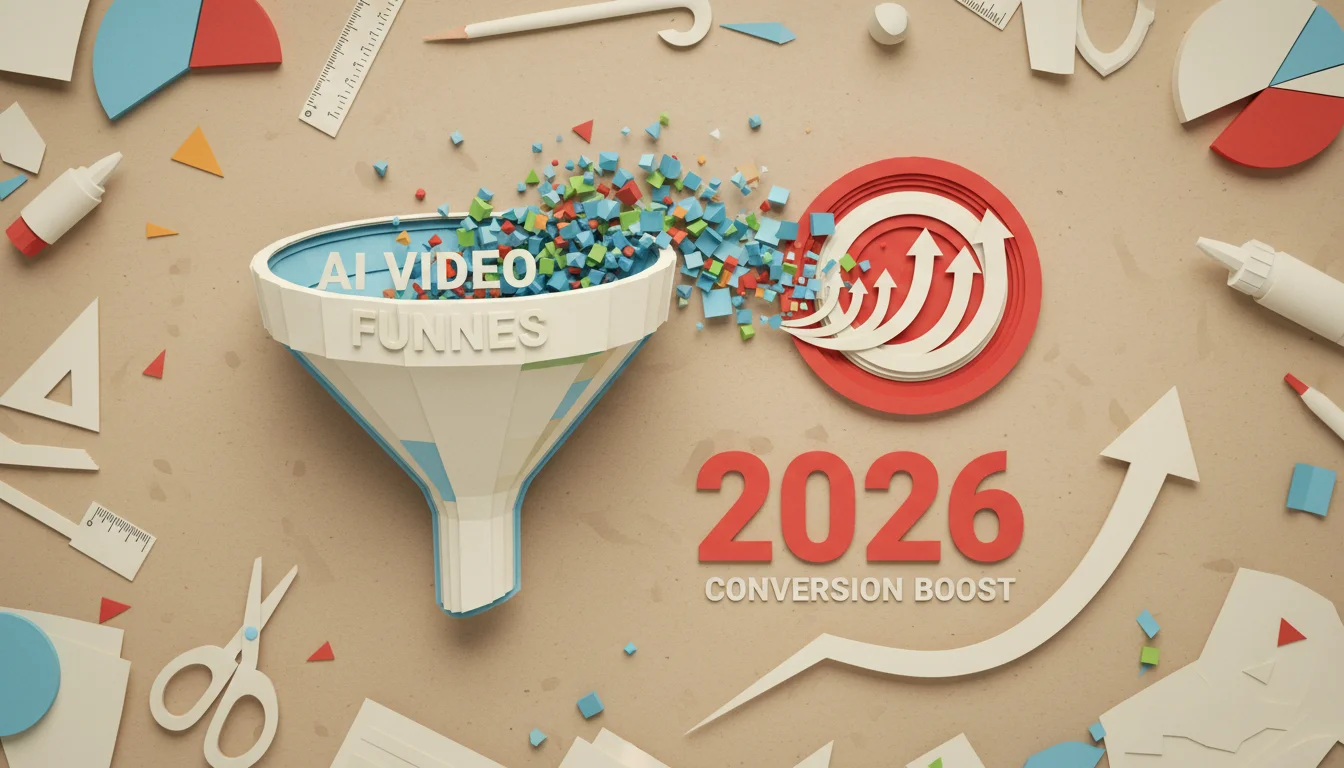
The digital marketing arena of 2026 demands more than static advertisements. It requires dynamic, personalized engagement to capture attention and drive action. Personalized video funnels, powered by artificial intelligence, are no longer a niche tactic but a foundational strategy for significantly improving conversion rates. How can businesses implement these sophisticated AI funnels to transform casual browsers into loyal customers?
Key Takeaways
- Implement AI-driven video content segmentation based on real-time user behavior to tailor messaging effectively.
- Use dynamic video generation platforms to create thousands of unique video variations from a single template, achieving true one-to-one personalization.
- Integrate AI-powered analytics to measure the precise impact of personalized video elements on conversion metrics, identifying actionable insights for continuous improvement.
- Automate video distribution across multiple touchpoints within the sales funnel, from initial awareness to post-purchase engagement, for sustained customer journeys.
- Focus on ethical AI data handling, ensuring transparency and user consent in all personalization efforts to build trust and avoid privacy pitfalls.
The Evolution of Engagement: From Static to Dynamic Video
For years, marketers understood the power of video. A HubSpot report from 2025 indicated that video content consistently outperforms other formats in terms of engagement and information retention. However, generic video, while effective, often falls short of truly connecting with an individual. The shift now involves moving beyond broad demographic targeting to genuine one-to-one communication, a feat made possible by advancements in AI.
Consider the traditional sales funnel: awareness, interest, desire, action. Each stage historically involved a generalized message. With AI-personalized video, that changes entirely. At the awareness stage, a prospect might receive a video tailored to their industry and expressed pain points. As they move to interest, the video dynamically updates to show solutions relevant to their specific company size or geographic location. This isn’t theoretical. Platforms like Vidyard and D-ID are already offering capabilities to generate video at scale, adapting elements like text overlays, voiceovers, and even visual sequences based on user data. The result feels less like an advertisement and more like a direct conversation, significantly reducing friction in the buyer’s journey.
Building Your AI-Powered Video Funnel: Core Components
Constructing an effective AI-personalized video funnel requires several integrated components, each contributing to the overall conversion strategy. Think of it as an orchestration of data, algorithms, and creative assets.
- Data Ingestion and Segmentation: The foundation of any personalization effort. This involves collecting user data from various sources: CRM systems, website analytics, email interactions, and even third-party data providers. AI algorithms then process this data to create hyper-segmented user profiles. For instance, a B2B software company might segment users not just by industry, but by their specific role within that industry, their company’s tech stack, and their recent engagement with competitor content.
- Dynamic Video Generation Engines: These are the workhorses. Tools like Synthesia or InVideo, augmented with AI, allow marketers to create a base video template and then populate it with dynamic elements. Imagine a video where the on-screen presenter addresses the viewer by name, references their company, and displays a product feature directly relevant to their past browsing history. This level of customization was science fiction a few years ago.
- Behavioral Triggers and Automation: The AI doesn’t just personalize the video. It determines when and where to deliver it. If a user abandons a shopping cart, an AI-triggered video might appear in their inbox, featuring the exact items they left behind and a personalized discount. If a prospect downloads a whitepaper, a follow-up video could explain the next logical step in their journey, referencing specific points from the document they just consumed. This is about delivering the right message at the opportune moment, often through platforms like ActiveCampaign or Pardot that integrate with video platforms.
- AI-Powered Analytics and Optimization: Generating personalized videos is only half the battle. Measuring their impact and continuously refining the strategy holds the true power. AI analytics platforms monitor every interaction: watch time, click-through rates on embedded calls to action, conversion rates directly attributable to specific video segments, and even sentiment analysis of viewer comments. This feedback loop allows the AI to suggest improvements to video scripts, visual cues, or distribution timings, ensuring the funnel consistently improves. I’ve seen clients achieve a 15% increase in lead-to-opportunity conversion within three months simply by iterating on video personalization based on these granular insights.
Ethical Considerations and Data Privacy in AI Personalization
While the allure of increased conversion rates is strong, businesses implementing AI-personalized video funnels must address the critical aspects of data privacy and ethical AI usage. The year 2026 sees continued evolution in regulations like GDPR and CCPA, with new frameworks emerging globally. Ignoring these aspects risks not only legal penalties but also severe damage to brand reputation.
Transparency is paramount. Users need to understand what data is being collected and how it’s being used to personalize their experience. Clear consent mechanisms, easily accessible privacy policies, and opt-out options are non-negotiable. Plus, companies must ensure their AI models are free from biases that could lead to discriminatory or inappropriate personalization. This requires careful auditing of training data and continuous monitoring of AI outputs. For example, if your AI suggests a product based on assumed gender without explicit user input, you’ve crossed a line. Focus on explicit behavioral data and stated preferences, not inferences that might be incorrect or offensive. Building trust through responsible data handling will, in turn, enhance the effectiveness of personalized video efforts. People are more likely to engage with content they feel is genuinely helpful, not intrusive.
Measuring Success: Beyond the Click
The true measure of an AI-personalized video funnel’s success extends far beyond simple click-through rates. While clicks are an initial indicator, deeper metrics reveal the actual impact on the bottom line. Nielsen’s 2025 report on cross-platform measurement emphasizes the need for well-rounded analysis.
Key performance indicators (KPIs) to track include:
- Conversion Rate: This is the most direct measure. Are personalized video viewers converting at a higher rate than those who receive generic content? Track specific actions like purchases, demo requests, form submissions, or subscription sign-ups.
- Customer Lifetime Value (CLTV): Personalized experiences, especially post-purchase, can significantly increase customer loyalty and repeat business. Analyze whether customers who interacted with personalized video funnels have a higher CLTV over time.
- Reduced Churn Rate: For subscription services, personalized onboarding videos or proactive support videos can reduce the number of customers who cancel their service.
- Engagement Metrics: Beyond basic views, look at video completion rates, interaction with in-video calls to action, and time spent on pages featuring personalized video. These indicate the quality of the engagement.
- Attribution: Accurately attribute conversions back to the specific personalized video touchpoints. Advanced attribution models, often AI-driven themselves, help understand the true impact of each video in the funnel. Without this, you’re guessing, and guessing is expensive.
This granular data allows for continuous A/B testing of different video elements, messaging, and delivery triggers, ensuring the funnel constantly adapts and improves its performance. It’s not a set-it-and-forget-it system. It’s a living, breathing conversion engine.
Implementing AI-personalized video funnels moves beyond conventional marketing by creating truly unique and impactful experiences for every prospect. It addresses individual needs and preferences at scale, fostering deeper connections and driving measurable results. Businesses that embrace this technology will undoubtedly secure a competitive edge in the evolving digital field. For further insights into the future of ad spending, consider how AI Ad Spend is projected to reach $300 Billion by 2026. The impact of AI on customer experience is also significant, with AI CX cutting ad feedback weeks to hours, dramatically speeding up optimization cycles. Plus, understanding AI Marketing can halve CPA for video ads, making these sophisticated funnels even more cost-effective.
What is an AI-personalized video funnel?
An AI-personalized video funnel uses artificial intelligence to dynamically generate and deliver video content tailored to individual user data, behavior, and preferences at various stages of the customer journey, from awareness to conversion and retention.
How does AI personalize video content?
AI personalizes video by analyzing user data (e.g., demographics, browsing history, purchase intent) and then dynamically altering elements within a video template. This can include changing text overlays, voiceover narratives, visual scenes, product recommendations, and calls to action to be specifically relevant to the individual viewer.
What kind of data is used for video personalization?
Data used for video personalization typically includes first-party data from CRM systems, website analytics, email engagement, and past purchases. It can also incorporate third-party data like industry, company size, and publicly available professional information, always with careful consideration for privacy and consent.
Can personalized video funnels be used for B2B marketing?
Absolutely. AI-personalized video funnels are highly effective in B2B marketing, allowing businesses to address specific company challenges, reference industry-specific pain points, and show solutions directly relevant to a prospect’s role or organization, leading to more qualified leads and faster sales cycles.
What are the primary benefits of using AI-personalized video funnels?
The primary benefits include significantly higher conversion rates, improved customer engagement, increased customer lifetime value, reduced churn, and more efficient allocation of marketing resources due to the highly targeted nature of the content.


