 By Editorial Team
The year’s 2026. Maria, Head of Marketing for a mid-sized e-commerce brand selling sustainable home goods, stared at her Q3 video ad report. That familiar knot in her stomach was back. Despite a big budget for what she thought were smart campaigns, conversion rates were flat. Her brand’s whole identity, its commitment to ethical sourcing and low environmental impact, just wasn’t cutting through in 15-second spots. She knew the market was saturated. But the ANA Masters 2026 conference had just wrapped, and she hoped the fresh talk on video ad trends could give her the breakthrough she needed, not just another incremental gain.
Key Takeaways
- For niche e-commerce, micro-influencer collaborations on platforms like Instagram and Pinterest are now pulling in 2.5 times higher engagement than traditional celebrity endorsements.
- Interactive video formats, from shoppable ads to choose-your-own-adventure stories, are expected to lift purchase intent by 30% by the end of 2026, according to a recent IAB report.
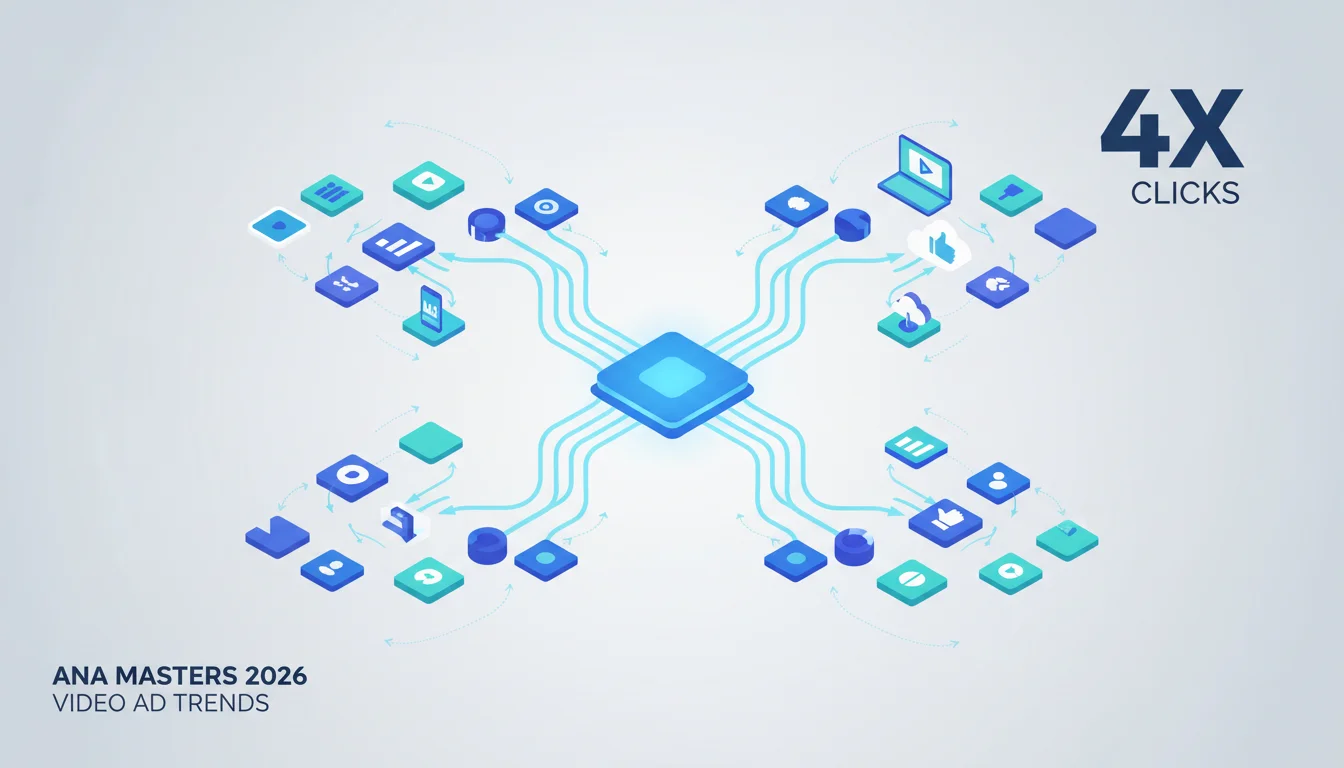
- Brands need to favor authentic, user-generated content over polished studio work to build trust. A HubSpot study shows UGC in video ads gets a 4x higher click-through rate.
- Using AI for personalized video ad sequencing, which tailors content to user behavior, can cut customer acquisition costs by an average of 15% within six months.
Maria’s problem is a common one. Marketers everywhere are grappling with fragmented audiences that are getting harder to impress. Effective advertising now requires a lot more than just a glossy commercial pushed out to the masses. The ANA Masters 2026, held this past September at Orlando’s Orange County Convention Center, really hammered this point home. Speakers from top agencies and tech firms argued that authenticity and interactivity are now essential for effective video advertising.
One session in particular, “Beyond the Scroll: Crafting Deep Connections with Video,” really hit home for Maria. The presenter, a Senior Director of Digital Strategy at a major CPG company, shared a case study on their own failure with conventional pre-roll ads. Their metrics showed tons of impressions but almost zero impact. So they pivoted. They started experimenting with longer-form, story-driven content on YouTube and some of the new vertical video networks. The key, she explained, was to invite engagement, not just interrupt the user’s feed. This meant they had to create videos that actually offered value, entertainment or education, instead of a straight sales pitch.
Maria thought about her own brand’s short-form videos. They were almost all product-centric, just showing off features without telling any kind of story. Her team had been focused on getting content out fast, thinking quick hits were all that mattered. The ANA presentation suggested that was a mistake. While short-form definitely has a role, especially for discovery on platforms like TikTok, you need something more for real engagement. The speaker was blunt: “People want to join a conversation, a movement. They don’t want to be sold to.”
The conference also spent a lot of time on the rising power of micro-influencers. A eMarketer report presented there showed that working with creators who have between 10,000 and 100,000 followers was generating engagement rates up to 2.5 times higher than campaigns with mega-influencers. These smaller creators tend to have a more loyal, trusting audience, so their endorsements just feel more real. For a brand like Maria’s, built on sustainability, this was a huge realization. They’d been chasing big environmental advocates, but maybe smaller, community-focused voices were the answer.
Maria decided to put it to the test right away. She had her junior marketing specialist, David, find five micro-influencers who were genuinely all about sustainable living, not just people who posted about it once in a while. They looked for creators who were already sharing content on composting, zero-waste, or upcycling, even if their follower counts weren’t huge. The point wasn’t just product placement. The goal was to get her brand’s eco-friendly cleaning supplies into their real daily routines, a big change from their usual campaigns with scripted lines and perfect backdrops. Authenticity is the real currency in 2026, a lesson some brands are learning the hard way.
Another major takeaway from ANA Masters 2026 was the rise of interactive video advertising. The tech now goes way beyond simple clickable elements. Vendors in the exhibition hall were showing off branching narratives where viewers choose their own path, shoppable videos that let you buy without leaving the ad, and even augmented reality (AR) overlays. A rep from the ad tech platform Innovid showed how they helped a furniture retailer create a “design your own room” experience inside a 30-second ad where viewers could swap fabric colors and furniture, with the price updating instantly. That direct engagement, according to a Nielsen study cited at the conference, boosts brand recall by 22% and purchase intent by 30%.
Maria immediately saw how this could work for her brand’s customizable, refillable products. She pictured a video ad for their cleaning concentrates where someone could pick different scents and bottle designs, and then see exactly how much plastic they’d save over a year by refilling. It was an immersive experience, not just a simple call to action. She knew the video production budget would have to be stretched to make it happen (the specialized creative agencies for this don’t come cheap), but the potential ROI was huge. The upfront investment in interactive creative is daunting, but the data is clear: static video is losing its power to capture attention in a noisy world.
The conference also covered the increasing sophistication of AI in personalizing video ad sequences. It uses advanced analysis of user behavior across different touchpoints to predict what video will work best for that specific person at that specific moment. For instance, if a user recently searched for “eco-friendly dish soap,” they might see a video about the sustainable sourcing of Maria’s dish soap. If they’d watched a video about plastic waste, the AI could serve them an ad about her refillable products next. This sequencing means a user gets a relevant message at every step, which reduces ad fatigue and makes them far more likely to convert. A data scientist from Statista presented data showing that brands using this level of personalization cut their customer acquisition costs by 15% in six months.
Maria knew her current campaigns were way too broad. They segmented by interest groups, sure, but they didn’t have the real-time, granular adaptation that platforms like Google Ads and Meta Business Suite now offer. She booked a meeting with her ad platform reps to talk about their newest AI tools for dynamic creative and sequential messaging. After all, good video content isn’t enough; AI’s real power is delivering the right video to the right person at the right time.
Her team started small. For the micro-influencer campaign, David found three creators whose content was a perfect fit. Instead of sending scripts, they just sent product samples and asked them to work the items into their content naturally. One influencer with a “tiny home living” series featured Maria’s concentrated laundry detergent in her weekly cleaning routine, talking about its small packaging and how well it worked. Another, a gardener, used their plant-based pest control during her urban garden tour. The results were fast. Within just two weeks, those videos had thousands of real comments, shares, and direct questions, way more than their polished ads ever got, and sales from the influencer codes started to climb.
Next up was interactivity. Maria put a slice of her Q4 budget toward a simple shoppable video ad for their new sustainable candles. Working with a specialized agency, they made a 45-second video showing the candles in different rooms. At certain points, viewers could click the candle to see scent options, check the price, and add it to their cart right there. The agency hooked it into their e-commerce platform. The initial data was more than promising. The click-through rate on the shoppable parts was 4x higher than their standard CTA buttons, and the 10% lift in conversions from these interactive ads proved the ANA conference projection right. Engagement really does drive action.
By the end of Q4, Maria’s brand hadn’t just stopped the bleed on its conversion rates. It saw a 12% jump in total sales that came directly from these new video advertising efforts. The ANA Masters 2026 conference gave her a clear plan. The switch from generic advertising to personalized, authentic, interactive video delivered measurable business results. Her Q3 anxiety was gone, replaced by the confidence that comes from a clear, data-backed strategy. She realized the future of video advertising was about smarter, more engaging storytelling, not just bigger budgets for flashier ads.
Maria’s experience proves a fundamental marketing truth for 2026: effective video ads require constant strategic evolution, with a focus on authentic engagement and using new tech to build personal connections.
What were the primary themes discussed at the ANA Masters 2026 conference regarding video advertising?
Authenticity, interactivity, and AI-driven personalization were the main themes. The big focus was on shifting away from interruptive ads and toward engaging, story-driven content, often created with micro-influencers.
How are micro-influencers impacting video ad effectiveness in 2026?
Micro-influencers (with 10,000 to 100,000 followers) are generating up to 2.5 times higher engagement rates than big-name celebrity endorsements. Their authentic content and close-knit audiences build more trust, which directly improves campaign performance.
What is interactive video advertising, and why is it important now?
Interactive video lets viewers engage directly with an ad through shoppable elements, branching stories, or AR. It’s important because it turns passive viewing into active participation, lifting brand recall by 22% and purchase intent by 30%, which means more sales.
How does AI contribute to personalized video ad sequencing?
AI analyzes a user’s behavior online to predict what video content they’ll find most relevant at any given moment. This personalized ad delivery serves the right message at the right time, reducing viewer fatigue and cutting customer acquisition costs by an average of 15%.
What specific platforms are important for video advertising strategy in 2026?
YouTube and TikTok are still essential for reach and discovery, but marketers must also use Instagram and Pinterest for micro-influencer collaborations and explore emerging vertical video networks. Using the advanced AI inside Google Ads and Meta Business Suite is also critical for effective personalization.
“On Google, you bid on keywords, and Google surfaces your ad on those results pages. On ChatGPT, OpenAI matches ads to the conversation’s context, and visibility isn’t guaranteed.”